GPTM
The Consciousness Gap — GPTM View 7
Why Plum Village ($0 GDP) outperforms Luxembourg ($125K GDP) on the GPTM — and what the neuroscience of contemplative practice reveals about flourishing.
July 20, 2026·Luis Miguel Gallardo·1 min read
AI insights
Plum Village — a Buddhist monastic community in southern France with essentially $0 GDP per capita — scores GPTM composite 24. Luxembourg — GDP per capita $125,000 — scores 55. The Consciousness Gap is the GPTM's most consequential finding: sustained collective consciousness practice does more for human flourishing than any wealth ceiling yet measured.
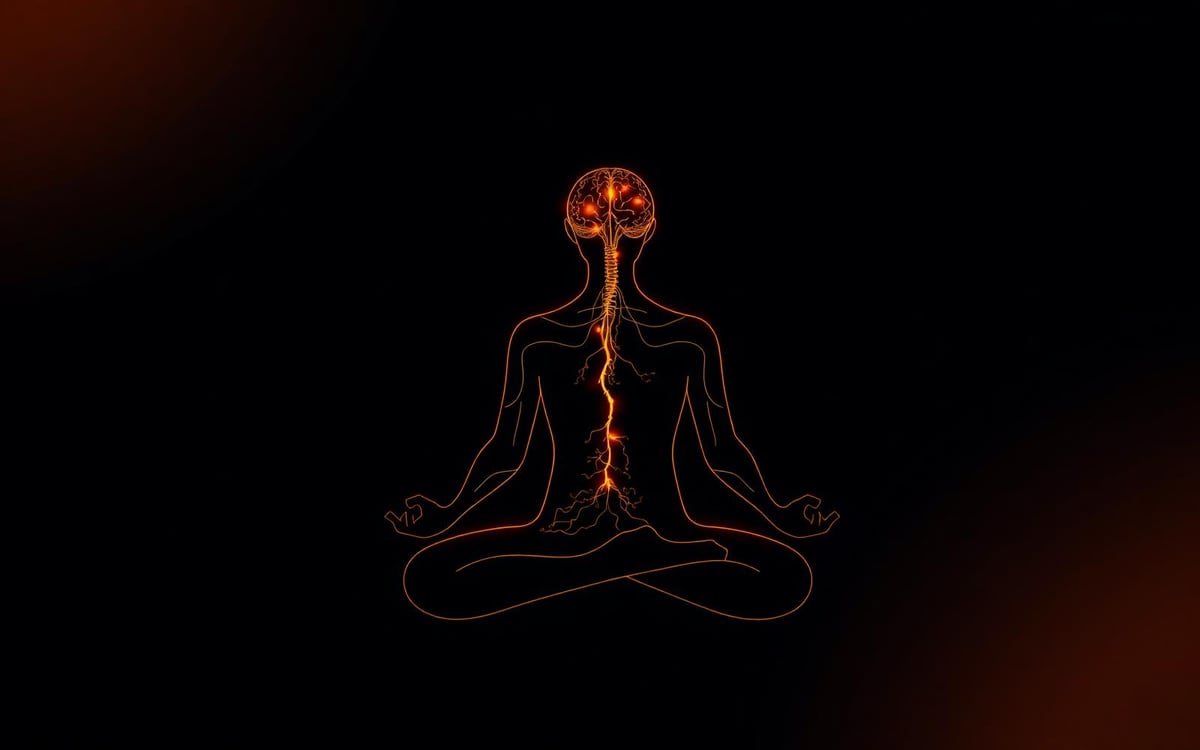
What consciousness practice actually does — the neuroscience
- Default Mode Network modulation. The self-referential rumination loop where anxiety, comparison and existential dread live — measurably quiets under sustained practice.
- Vagal tone. Parasympathetic regulation strengthens. Heart-rate variability rises. D6 signals fall.
- Insular integration. Interoception improves. The body becomes legible to the person inhabiting it.
- Prefrontal-limbic coupling. Emotion regulation strengthens without suppression.
The top-20 flourishing communities share one variable
Plum Village (24). Findhorn (30). Auroville (33). Damanhur (32). Okinawa (33). Ikaria (32). They are not all wealthy. Not all democratic. Not in the same climate or culture. The independent variable is daily collective consciousness practice.
What this asks of policy
The most important investment a society can make is not roads or hospitals. It is contemplative education (see Schools of Happiness), community ceremony, and protection of the wisdom traditions that maintain existential coherence across generations. Bhutan's Gross National Happiness governance is the closest existing model. The GPTM prices what it delivers.
"The Consciousness Gap explains the anomalies that GDP cannot: why the wealthiest countries are the loneliest, and the poorest contemplatives are the most alive."
— Prof. Luis Miguel Gallardo
This article is part of the GPTM 10 Views series by Prof. Luis Miguel Gallardo — analytical perspectives on the Global Pain & Trauma Map data.
Download the full GPTM 10 Views report (PDF) · Explore the Global Pain & Trauma Map · Next: View 8 — The Integration Effect
…
Explore this topic
Field notes to your inbox
Stay connected to the shift.
Monthly essays from the Observatory, invitations to Fests and Academy cohorts. Written from abundance — never urgency.