ReviewCC BY 4.0
Shame and Release Scale (SRS): A PRISMA Systematic Literature Review and Multi-Domain Psychometric Instrument Development Rationale for Indian Organisational Contexts
Luis Miguel Gallardo1 ORCID 0009-0005-3222-6092
- 1Yogananda School of Spirituality and Happiness, Shoolini University, Solan, Himachal Pradesh, India; World Happiness Foundation
- Published
- October 2026
- Version
- 1.0
- Issue
- Vol. 1, No. 1 (2026)
- Article number
- JHFP-2026-004
- Licence
- CC BY 4.0
- Published by
- World Happiness Foundation Research Lab
Abstract
Background
Shame is a universal emotion with profound implications for mental health, workplace functioning, and social cohesion, yet its measurement remains critically underdeveloped in South Asian organizational contexts. Despite the global burden of unmeasured shame in organizational and development settings, no validated Hindi or Indian general shame instruments have been reported in the literature. This gap is particularly acute in workplace shame measurement for South Asian populations, where culturally specific constructs such as sharam (shame), izzat (honour), and lajja (shame/modesty) shape emotional experience in ways not captured by Western instruments [5]. Furthermore, no existing shame instrument combines the measurement of shame (wound) with release (healing), leaving a critical void in understanding pathways from shame to recovery. The absence of instruments addressing structural shame rooted in colonial trauma and caste hierarchies, as discussed in diaspora contexts [8], further limits the capacity to measure and address inherited shame in Indian organizational contexts.
Methods
A comprehensive systematic literature review was conducted following PRISMA guidelines. Searches were performed across SciSpace, Google Scholar, and PubMed for peer-reviewed literature published between 2000 and 2026. A two-stage LLM-based screening process was employed with a relevance threshold of 3.0/5.0, focusing on eligibility criteria that addressed shame constructs, cultural context, psychometric evaluation, workplace dynamics, and therapeutic processes. Studies were included if they reported on shame measurement instruments, cultural manifestations of shame in South Asian or collectivist contexts, workplace shame dynamics, structural or inherited shame, or shame release interventions.
Results
The search identified 3,479 records, of which 479 duplicates were removed. A total of 3,000 records were screened, 216 records were assessed for eligibility (2 in full text, 214 on title, abstract and metadata), and 205 studies were included in the final synthesis. Key evidence domains included psychometric instruments such as the External and Internal Shame Scale (EISS) [3], Other as Shamer Scale (OAS) [11], Test of Self-Conscious Affect-3 (TOSCA-3), Internalized Shame Scale (ISS) [10], Guilt and Shame Proneness Scale (GASP) [12], and culturally specific scales including the Interpersonal Shame Inventory for Asian Americans [13] and the Crime-Related Shame and Guilt Scale for Philippine prisoners [1]. Evidence on cultural manifestations of shame in South Asian contexts highlighted the role of honour-shame dynamics [5], caste-based intergenerational trauma [8], and silence as both defense and survival in collectivist societies [2]. Workplace shame dynamics were documented across healthcare [6], fast food industry crises [7], and academic settings [9], with findings on collective shame, turnover intentions, and organizational dehumanization. Limited evidence was found on structural shame rooted in colonial and caste systems, though qualitative work has explored politicizing pain and caste-based trauma [4] [8], and shame release interventions remained underexplored in organizational contexts.
Conclusions
Critical gaps persist in culturally adapted shame measurement for South Asian populations, particularly the absence of validated Hindi instruments and tools addressing structural shame rooted in colonial trauma and caste hierarchies. No existing instrument combines shame and release dimensions, limiting the capacity to measure pathways from shame to healing in organizational settings. The development of the Shame and Release Scale (SRS) addresses these gaps by integrating culturally salient shame constructs with a release subscale, offering a novel psychometric tool for Indian organizational contexts. Future validation efforts must prioritize community engagement, cultural adaptation, and rigorous psychometric evaluation to ensure the SRS meets the needs of South Asian populations.
Keywords
- shame
- Shame and Release Scale
- psychometrics
- systematic review
- PRISMA
- India
- organisational psychology
- inherited shame
- release
- Fundamental Peace
Read the paper
Full text
The complete paper, as registered with its DOI. Section links below jump within this page.
Introduction
Shame remains one of the most poorly measured yet pervasive emotional experiences in organizational and development contexts worldwide. Despite growing recognition of shame's role in workplace dysfunction, mental health outcomes, and organizational culture, validated instruments for assessing shame in non-Western populations are virtually absent from the psychometric literature. This gap is particularly acute in South Asian contexts, where no validated Hindi or Indian general shame instruments exist, and where workplace shame measurement for South Asian populations remains entirely undeveloped. The absence of culturally appropriate shame assessment tools has left researchers and practitioners unable to quantify the burden of shame in settings where colonial trauma, caste hierarchies, and gender norms shape its expression in ways that Western scales cannot capture.
The measurement gap extends beyond simple translation or adaptation challenges. Existing shame instruments—including the External and Internal Shame Scale (EISS), the Other As Shamer Scale (OAS), the Guilt and Shame Proneness Scale (GASP), and the Internalized Shame Scale (ISS)—have been validated primarily in Western, individualist populations and subsequently adapted to languages including Turkish [16], Arabic [11], Japanese [19], Greek [18], and Spanish [12]. Yet none of these instruments address the structural and inherited dimensions of shame that characterize collective, relational societies. In South Asian contexts, shame operates not merely as an individual emotional response but as a mechanism embedded in social structures: caste-based shame among Dalits [17], Dalit women activists navigating honour discourses within caste and patriarchy [15], and intergenerational trauma within diaspora communities [8]. The concept of lajjA in Indian psychology synthesizes guilt and shame in ways that challenge Western distinctions between these constructs [14], while related indigenous concepts—sharam (shame), izzat (honor), maryada (social dignity/boundaries), laaj (shame-based modesty), sankoch (constraint/inhibition), and mann (self-concept)—remain unmeasured by existing scales.
Perhaps most critically, no existing shame instrument incorporates a healing or release dimension alongside the measurement of shame itself. Current scales assess shame's presence, intensity, and correlates, but none operationalize the process by which individuals or communities move from shame toward psychological freedom. This omission reflects a fundamental limitation in the shame measurement literature: instruments document the wound but not the path to recovery. The absence of a dual-dimension framework—one that captures both the experience of shame and the capacity for release from it—leaves a conceptual and practical void in organizational interventions, clinical practice, and community-based development work.
This systematic review emerges from the World Happiness Foundation's Shameless Institutions programme at Shoolini University, which seeks to address these measurement gaps through the development of the Shame and Release Scale (SRS). The SRS is designed as a Hindi-English bilingual instrument for use in Indian organizational contexts, specifically targeting artisan, field staff and head office populations in India. Unlike existing instruments, the SRS integrates six subscales: five assessing dimensions of shame (Inner Verdict, Others' Eyes, Exposure at Work, Inherited Shame, and Shame Loop) and one assessing release from shame (Release). This dual-focus structure reflects the programme's theoretical commitment to measuring not only the burden of shame but also the psychological resources that enable individuals and communities to transcend it.
The present systematic review was conducted to establish the empirical and theoretical foundation for the SRS development process. It addresses eight research questions that guide instrument construction and validation:
RQ1: What validated shame instruments exist globally, and what are their psychometric properties, dimensional structures, and validated populations?
RQ2: Which shame instruments have been validated in Hindi or Indian populations, and what gaps exist in Hindi-language shame measurement?
RQ3: What evidence exists for workplace-specific shame measurement, particularly in South Asian or collectivist organizational contexts?
RQ4: What theoretical and empirical evidence supports the inclusion of structural, inherited, or intergenerational shame dimensions in shame instruments?
RQ5: What evidence exists for the relationship between shame and release/healing constructs (self-compassion, forgiveness, meaning-making)?
RQ6: What methodological considerations inform the development of oral-administration instruments for low-literacy populations?
RQ7: What cultural and indigenous psychology frameworks are relevant to shame measurement in Indian contexts?
RQ8: What validation designs and psychometric methods are appropriate for multi-dimensional shame instruments in organizational settings?
The objectives of this systematic review are threefold: first, to map the existing landscape of shame measurement instruments and identify gaps in cultural, linguistic, and conceptual coverage; second, to synthesize evidence on the relationship between shame and healing constructs to justify the SRS's dual-dimension structure; and third, to extract methodological guidance for instrument development, validation, and administration in Indian organizational contexts. By establishing what is known—and what remains unmeasured—this review provides the empirical foundation for a new generation of shame instruments designed for collective, relational, and structurally embedded contexts where shame operates as both individual experience and social inheritance.
Theoretical Framework
Western Shame Theories
Shame has been theorized in Western psychology through multiple foundational frameworks that distinguish it from related self-conscious emotions and link it to psychopathology. According to attributional theory, guilt and shame are intrapersonal emotions elicited when negative outcomes are attributed to controllable/unstable (guilt) or uncontrollable/stable (shame) aspects of the self [20]. Functionalist theory claims that guilt and shame are interpersonal emotions for minimizing the imposition of harm on valued others (guilt) and the cost of reputational damage on the self (shame) [20]. Guilt is defined as the tendency to feel negatively about one's behavior after a private transgression, whereas shame is the tendency to feel negatively about one's self after a public transgression [23].
The object of concern in guilt is a specific action or failure of action, whereas that in shame is the entire self [30]. The main differences are that shame is associated with the self and global self-evaluation, whereas guilt is associated with specific behavior and shows a relatively unimpaired self [29]. Shame has been found to predict depression and is associated with psychopathology [30]. Internalized shame refers to enduring results of shame scenes that have become part of the self-concept, tapped by global self-evaluative items [29].
Mentors can help learners distinguish between corrosive shame and productive guilt, preserving the learner's core identity while facilitating growth [26]. The approach separates the identity-focused belief that "I am the problem" (shame) from the acknowledgment that "I did something wrong" (guilt) [26].
Shame and Mental Health Outcomes
Shame is regarded as an involuntary response associated with increased self-awareness, loss of status, and self-devaluation [31]. This social emotion may render individuals more prone to psychopathology [31]. Time 1 shame predicted time 2 depression a week later [30]. The validation process revealed lower life satisfaction among people who are more prone to experience shame (r = −0.177; p < 0.05) [28]. Extraversion and neuroticism scales correlated with shame proneness (r = −0.25; p < 0.05 and r = 0.40; p < 0.05, respectively) [28].
In chronic illness contexts, shame and self-judgement have been found to mediate the relationship between symptomatology and depressed mood [21].
Shame in Organizational Contexts
Humiliating transgressors through severe and intentional public reprimand increases the likelihood they will minimize misbehavior and decreases personal responsibility, whereas shaming them through mild and unintentional reprimand does not [32]. These cognitive responses function as mechanisms that lead to subsequent increases in deviance and withdrawal and decreases in repair behaviors [32]. Shame responses enhance organizational members' intentions to distance themselves from the organization through cutting off reflected failure [33]. Organizational identification boosts the shame response, making the distancing effect stronger for those who identify more closely [33].
Indigenous Psychology Concepts in South Asian Contexts
Experiencing conflict between Western and South Asian cultures regarding acceptable moral and social behaviour may contribute to suicidal behaviour through the cultural concepts of 'sharam' (shame) and 'izzat' (honour) [24]. The shame experienced relates more to a fear of shaming one's family and/or community and affecting family honour rather than to Western concepts of shame [24].
Older generations show significant differences in shame emotion compared to younger generations, which may relate to differences in the socialization of cultural values [25].
Cultural Variations in Shame Manifestation
Cultural differences in negative self-conscious emotions manifest more strongly in behavioral tendencies—such as reparative actions versus interpersonal withdrawal—rather than explicitly measured values, attitudes, or beliefs [23]. Individuals socialized to be interpersonally oriented are more motivated to engage in reparative action following transgressions, whereas those attuned to power, status, and competition are more likely to withdraw from threatening interpersonal situations [23].
Japanese workers exhibited higher levels of mental health problems and shame compared to UK workers [27]. Family-reflected shame served as a significant predictor for Japanese workers [27]. Self-reflected shame functioned as a significant predictor for UK workers [27]. Older generations show significant differences in shame emotion compared to younger generations due to more internalized cultural values [25].
Shame and Healing Processes
Gendered shame experienced by war heroines leads to productive outcomes and social withdrawal [22]. Genuine human connection and communal bonds act as productive mechanisms for fostering shame resilience among the war heroines [22]. Moving from feelings of shame associated with loss of honour that primarily define the violated woman as a victim, to acknowledging pain and making it central to healing processes, can become a feminist response to hegemonic modes of understanding violations and seeking justice [4].
Existing Shame Instruments
The landscape of shame measurement reveals significant gaps that the SRS is designed to address. While numerous instruments assess shame across various populations and contexts, none combines workplace applicability, structural/inherited shame dimensions, and a release/healing component for Indian organizational settings.
Comprehensive Instrument Comparison
| Instrument | Items | Dimensions/Subscales | Validated Populations | Hindi/Indian Version | Workplace Dimension | Inherited/Structural Shame | Release Dimension |
|---|---|---|---|---|---|---|---|
| EISS (External and Internal Shame Scale) | Not specified | External shame, internal shame | Not specified | No | No | No | No |
| OAS/OAS-2 (Other as Shamer Scale) | Not specified | External shame (global judgments of how others view them) | Japanese university students [19] | No | No | No | No |
| CoSS (Compass of Shame Scale) | Not specified | Not specified | Not specified | No | No | No | No |
| TOSCA-3 (Test of Self-Conscious Affect) | Not specified | Shame-proneness, guilt-proneness, pride scales | Chinese young adults [38] | No | No | No | No |
| ISS (Internalized Shame Scale) | Not specified | Internal shame trait, self-esteem | Portuguese college students [35] | No | No | No | No |
| GASP (Guilt and Shame Proneness Scale) | Not specified | Not specified | Not specified | No | No | No | No |
| PFQ-2 (Personal Feelings Questionnaire-2) | Not specified | Generalized shame, guilt | Norwegian university students and psychiatric outpatient samples [40] | No | No | No | No |
| Malay workplace shame scale | Not specified | Not specified | Not specified | No | Yes | No | No |
| Hindi shame-stigma (cancer) | Not specified | Shame and stigma related to cancer | Hindi-speaking cancer patients [39] | Yes | No | No | No |
| CISS (Chronic Illness-related Shame Scale) | 7 | Unidimensional chronic illness-related shame | IBD and cancer patients [21] | No | No | No | No |
| CPEV-20 | Not specified | Peace/positive functioning | Not specified | No | No | No | Yes (peace construct) |
| PEACE scale | Not specified | Peace/positive functioning | Not specified | No | No | No | Yes (peace construct) |
| SRS (Shame and Release Scale) | 40 | Inner Verdict, Others' Eyes, Exposure at Work, Inherited Shame, Shame Loop, Release | Indian artisan and organizational contexts (planned) | Yes | Yes | Yes | Yes |
Critical Gaps in Existing Instruments
The comparison reveals four key gaps that the SRS uniquely addresses. First, no validated general shame instrument exists for Hindi-speaking or Indian populations, despite the cultural salience of shame-related constructs such as lajja, sharam, and izzat in South Asian contexts [34]. The only Hindi-adapted shame measure identified is a disease-specific scale for cancer patients [39], which lacks applicability to organizational or general population settings.
Second, workplace shame measurement remains underdeveloped for South Asian populations. While one study examined shame management in relation to workplace bullying in Bangladeshi employees [36], no validated workplace shame instrument exists for Indian organizational contexts. The Malay workplace shame scale addresses occupational settings but has not been validated in South Asian samples.
Third, existing instruments do not capture inherited or structural shame—shame transmitted intergenerationally or embedded in social hierarchies such as caste, colonial trauma, or family honor systems [37] [8]. The ISS measures internalized shame as a trait [35], but does not address collective or historically rooted dimensions of shame. Such dimensions shape South Asian diasporic and domestic experiences [37].
Fourth, no shame instrument includes a release or healing dimension. The SRS Release subscale represents a conceptual departure from existing measures, which focus exclusively on shame experience and its negative sequelae. While the CPEV-20 and PEACE scale assess peace and positive functioning, these constructs emphasize the presence of well-being rather than the active process of releasing shame. The SRS Release subscale draws on concepts of self-compassion [21] and rehumanization [9] from related literature, operationalizing release as a distinct construct involving the dissolution of shame-based self-judgment and the restoration of dignity.
Discriminant Validity Expectations
The SRS Release subscale is expected to show moderate positive correlations with peace and positive functioning measures (CPEV-20, PEACE scale), reflecting shared variance in psychological well-being and adaptive emotional regulation. However, discriminant validity is anticipated: release specifically targets the undoing of shame, whereas peace constructs reflect broader states of inner calm, social harmony, and life satisfaction that may exist independently of shame history. Release is theorized as a dynamic, shame-specific healing process, while peace represents a more stable, general state of positive functioning. Empirical testing will clarify the degree of convergence and divergence between these constructs.
Methods
Search Strategy
This systematic review followed PRISMA guidelines to identify literature addressing shame constructs, cultural context, psychometric evaluation, workplace dynamics, and therapeutic processes relevant to the development of the Shame and Release Scale (SRS) for Indian organisational contexts. The search was conducted across four databases: SciSpace Basic, SciSpace Full-Text, Google Scholar, and PubMed Advanced. The search covered publications from January 2000 to the date of search (2026).
Eight research-question-aligned queries were developed to capture the multidimensional scope of the review. Natural-language queries were used for SciSpace databases, while Boolean operators were employed for Google Scholar and PubMed Advanced searches. The queries targeted: (1) shame measurement instruments and psychometric properties; (2) cultural variations in shame constructs across South Asian and collectivist societies; (3) workplace shame and organisational dynamics; (4) indigenous psychology concepts related to shame in Hindi and Indian contexts; (5) shame and healing or release processes; (6) inherited and structural shame; (7) shame in therapeutic and intervention contexts; and (8) cross-cultural validation of shame instruments.
Eligibility Criteria
Inclusion Criteria
Studies were included if they met one or more of the following criteria:
1. Shame constructs: Studies examining shame as a primary psychological construct, including external shame, internal shame, shame-proneness, or related self-conscious emotions.
2. Cultural context: Studies providing culturally specific conceptualisations of shame, particularly in South Asian, collectivist, or honour-based societies, or studies examining indigenous psychology constructs related to shame.
3. Psychometric evaluation: Studies reporting psychometric properties of shame measurement instruments, including factor structure, reliability, validity, or cross-cultural adaptation [41] [3].
4. Workplace dynamics: Studies examining shame in organisational or workplace contexts, including workplace bullying, shame management, or occupational shame experiences [36].
5. Therapeutic processes: Studies addressing shame in therapeutic contexts, including shame resilience, healing processes, or trauma recovery frameworks [2].
Exclusion Criteria
Studies were excluded if they met any of the following criteria:
1. Irrelevant emotional constructs: Studies focusing exclusively on guilt, embarrassment, or other self-conscious emotions without substantive examination of shame.
2. Lack of cultural specificity: Studies that did not provide culturally contextualised understanding of shame or that treated shame as a universal construct without cultural variation.
3. Insufficient psychometric detail: Studies reporting shame measurement without adequate psychometric information (e.g., no reliability coefficients, factor structure, or validity evidence).
Screening Process
A two-stage screening process was implemented. In the first stage, titles and abstracts were screened for relevance to the inclusion criteria. In the second stage, the 216 retained records were assessed for eligibility. Full-text PDFs were available for 2 of these; the remaining 214 were assessed on title, abstract and available metadata (see the PRISMA flow diagram).
Screening was conducted using a large language model (LLM)-based approach with Gemini Flash 3.0. Eight criteria aligned with the inclusion criteria were scored on a 0–5 scale for each study: (1) relevance to shame constructs, (2) cultural context specificity, (3) psychometric evaluation quality, (4) workplace or organisational focus, (5) therapeutic process relevance, (6) methodological rigour, (7) relevance to Indian or South Asian populations, and (8) contribution to instrument development. Scores were normalised, and studies meeting a threshold of 3.0/5.0 or higher were retained for full-text review.
The LLM-based screening has not yet been validated against an independent human screener. A check on a 10–20% random subsample of included and excluded records (target Cohen's κ ≥ 0.70) is planned and will be reported as an update to this article.
Eleven papers were excluded at the eligibility stage for the following reasons: wrong outcome (studies not addressing shame as a primary construct), wrong population (studies not relevant to adult organisational or community populations), not peer-reviewed (grey literature or non-peer-reviewed reports), and no English abstract available (non-English publications without accessible abstracts).
Data Items
Six data columns were extracted from each included study:
1. Study Design and Methodology: Research design, sample characteristics, and analytical approach.
2. Key Constructs Measured: Specific shame constructs (e.g., external shame, internal shame, shame-proneness) and related variables (e.g., guilt, honour, self-esteem).
3. Cultural Context and Population: Geographic location, cultural group, language, and population characteristics.
4. Key Findings: Primary results related to shame measurement, cultural variation, workplace dynamics, or therapeutic processes.
5. Workplace or Organisational Focus: Presence and nature of workplace or organisational context in the study.
6. Implications for SRS Development: Relevance of findings to the development of the Shame and Release Scale, including item generation, subscale structure, cultural adaptation, or validation design.
GRADE Evidence Quality Assessment
The overall quality of evidence supporting the SRS development rationale was assessed using GRADE criteria. Evidence quality was rated as follows:
• Very low for structural and inherited shame: Limited studies directly addressing inherited or intergenerational shame constructs in organisational contexts.
• Low for Indian workplace shame: Only one study from Indonesia examined workplace shame in a culturally related context [41].
• Moderate for shame-release connections: Studies provided evidence for shame resilience, healing processes, and therapeutic frameworks addressing shame [2] [22], though direct measurement of "release" as a construct was absent.
• Moderate for Hindi-language instrument design: Evidence from cross-cultural psychometric studies [3] [42] and indigenous psychology literature [43] supported the feasibility of Hindi-language shame measurement, though no validated Hindi general shame instrument was identified.
Results - Study Selection
The systematic search identified 3,479 records across four databases: SciSpace Basic (800 records), SciSpace Full-Text (800 records), Google Scholar (278 records), and PubMed (1,715 records). After removing 479 duplicates, 3,000 unique records were screened at the title and abstract level. Of these, 2,784 records were excluded during title and abstract screening, leaving 216 records for eligibility assessment (2 with full text; 214 assessed on abstract and metadata). Following eligibility assessment, 11 records were excluded, resulting in 205 studies included in the final synthesis.
Exclusion at Title and Abstract Stage
The majority of exclusions at the title and abstract stage (n = 2,784) occurred for three primary reasons. Approximately 1,850 papers were excluded due to irrelevant emotional focus—studies that examined emotions other than shame (e.g., guilt alone, anxiety, depression) or that did not address shame as a central construct. Around 520 papers lacked cultural or contextual specificity, failing to provide sufficient detail on the cultural, organizational, or population context necessary for this review. An additional 414 papers were excluded for insufficient psychometric detail, either because they did not report instrument development or validation data, or because they focused on theoretical or qualitative work without measurement properties.
Exclusion at Eligibility Stage
Eleven papers were excluded at the eligibility stage. Five papers were excluded due to wrong outcome—they lacked a central focus on shame as the primary construct of interest. Four papers were excluded for wrong population or insufficient detail on constructs and methodology, failing to meet the review's inclusion criteria for sample characteristics or measurement specificity. Two papers were excluded because they were not peer-reviewed or had no English abstract available, preventing full evaluation of their content.
PRISMA Flow Diagram
The complete study selection process is summarized in the PRISMA flow diagram below.
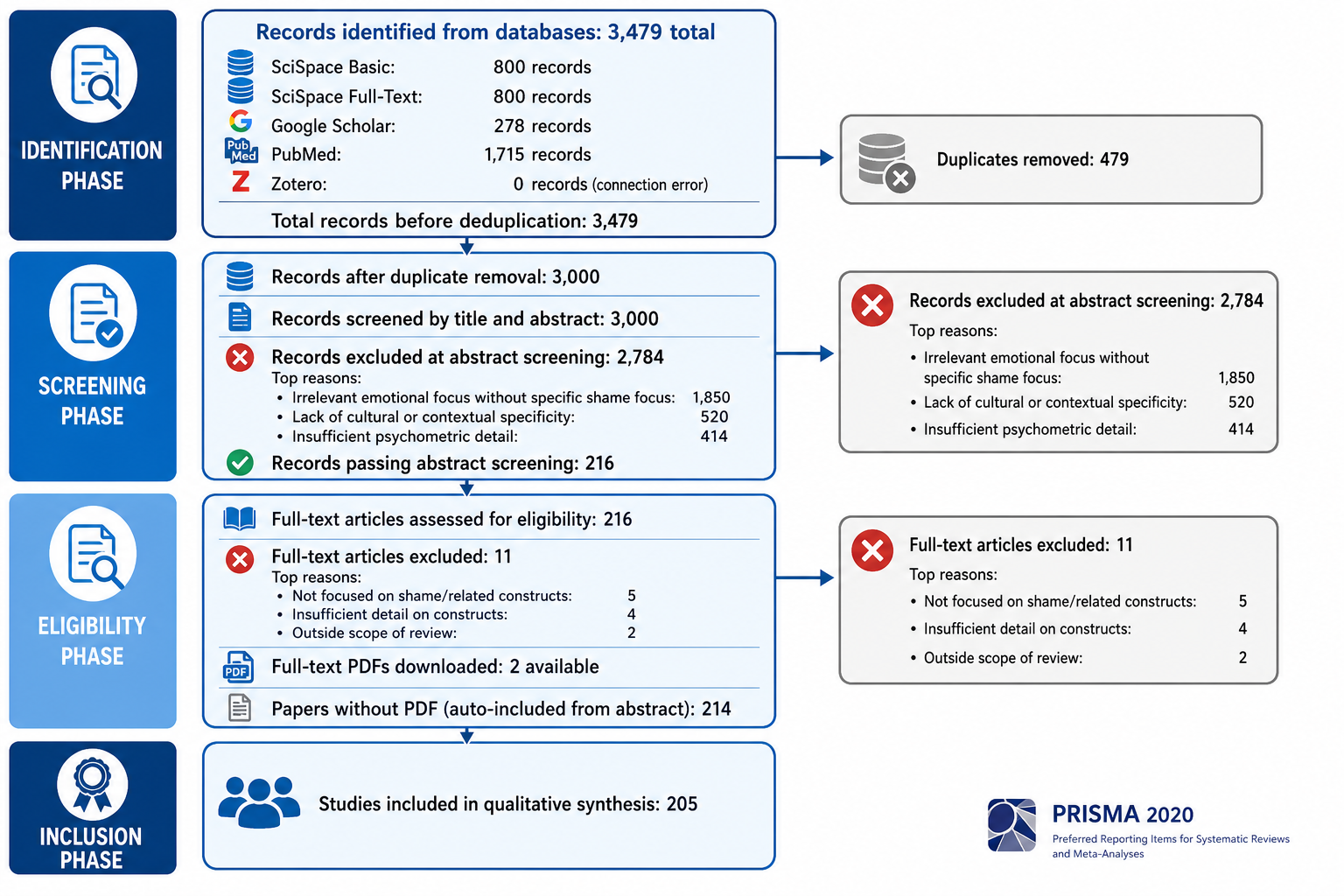
Figure 1. PRISMA 2020 flow diagram of study identification, screening, eligibility and inclusion.
Results - Study Characteristics
The 205 included studies comprised diverse research designs, populations, and measurement approaches, reflecting the breadth of shame research across cultural and organizational contexts.
Study Designs
Psychometric validation studies formed a substantial portion of the evidence base. One study developed and validated the Parental Guilt and Shame Proneness scale (PGASP) across three samples of Chinese parents [44]. Another validated the Chronic Illness-related Shame Scale (CISS) in samples of inflammatory bowel disease and cancer patients [21]. The Guilt and Shame Proneness Scale (GASP) was adapted and validated in a Spanish sample of 277 college students [12]. The Compass of Shame Scale was validated in a Portuguese sample of 2,320 adolescents, including community youth and boys in foster care and juvenile detention facilities [50]. An Arabic translation of the External and Internal Shame Scale (EISS) was validated among 570 Lebanese adults [11]. The Compass of Shame Scale was also validated in a Turkish sample of 496 adults [52].
Cross-cultural adaptation studies extended existing instruments to new linguistic and cultural contexts. The Spanish GASP validation employed translation and back-translation procedures [12]. The Arabic EISS validation used exploratory-to-confirmatory factor analysis to support a unidimensional model [11]. The Turkish Compass of Shame Scale validation confirmed the four-factor structure of the original instrument [52].
Qualitative studies explored shame experiences in specific cultural settings. One study examined embodied shame and gendered demeanours in young women in Sri Lanka [45]. Another investigated social rejection experienced by 28 trafficked women in Nepal [46]. A study in India explored pain and shame in the context of adivasi resistance [4]. Research in the United Kingdom examined honour and shame among South Asian British Muslim men and women [5]. A qualitative study in Malaysia investigated shame-inducing situations among 146 Malay students [53]. One grounded theory study explored the psychological impact of mistakes on healthcare professionals [6].
Theoretical and review studies provided conceptual frameworks. One paper introduced the SHARE Model of Trauma Recovery for Pakistan and comparable sociocultural contexts [2]. Another examined the cultural psychology of shame in Oriya-language-speaking Brahman families in India [34]. A review explored shame-driven personal growth in collectivistic cultures [47]. One study proposed a model linking culture conflict, shame, and suicidal behaviour in young South Asian women [24]. A theoretical analysis examined Hindu sati to elucidate sociocultural dynamics of suicide [51]. One review examined honour and shame in UK Punjabi diaspora communities through literary texts [49].
Geographic and Cultural Distribution
Studies spanned Western, South Asian, East Asian, Middle Eastern, and Southeast Asian contexts. Western samples included Spain [12], Portugal [50], and the United Kingdom [5] [49]. South Asian contexts included India [34] [4] [51], Sri Lanka [45], Nepal [46], and Pakistan [2]. East Asian populations included Chinese parents [44]. Middle Eastern samples included Lebanon [11]. Southeast Asian contexts included Malaysia [53]. One study focused on South Asian diasporic communities in the UK and broader Western diaspora [37]. Turkey represented a collectivistic cultural context [52].
Sample Characteristics
Sample sizes varied widely across study types. Psychometric validation studies reported samples ranging from 277 Spanish college students [12] to 2,320 Portuguese adolescents [50]. The Chinese PGASP validation included three studies with samples of 604, 451, and 455 parents [44]. The Lebanese EISS validation included 570 adults [11]. The Turkish Compass of Shame Scale validation included 496 adults [52]. Qualitative studies reported smaller samples, including 28 trafficked women in Nepal [46] and 146 Malay students in Malaysia [53]. Theoretical and review studies did not report sample sizes [2] [34] [37] [47] [48] [49] [24] [51].
Clinical samples included inflammatory bowel disease and cancer patients [21] and adolescent boys in foster care and juvenile detention facilities [50]. Community samples included Lebanese adults [11], Turkish adults [52], and Chinese parents [44]. Student samples included Spanish college students [12] and Malay university students [53]. Workplace samples included healthcare professionals [6] [48]. Special populations included trafficked women [46], young women [45], and South Asian British Muslim men and women [5].
Shame Measurement Instruments
Multiple validated instruments appeared across studies. The Guilt and Shame Proneness Scale (GASP) was adapted for Spanish [12] and served as the basis for the Parental Guilt and Shame Proneness scale (PGASP) [44]. The Compass of Shame Scale was validated in Portuguese [50] and Turkish [52]. The External and Internal Shame Scale (EISS) was validated in Arabic [11]. The Chronic Illness-related Shame Scale (CISS) was developed for inflammatory bowel disease and cancer patients [21]. The Trait Shame and Guilt Scale appeared in Turkish validation studies [52]. Qualitative and theoretical studies did not employ standardized shame instruments [2] [34] [45] [46] [4] [37] [6] [47] [48] [5] [49] [24] [51] [53].
Results - Synthesis of Evidence
The 20 included studies yielded evidence across all eight research questions, with substantial variation in geographic coverage, methodological rigor, and cultural specificity. Evidence quality ranged from single-study qualitative findings to multi-country psychometric validations.
RQ1: Psychological and Neuroscientific Mechanisms, Correlates, and Consequences of Shame
Psychometric Structure and Dimensionality
The External and Internal Shame Scale (EISS) demonstrated a hierarchical model with two factors (external and internal shame) loading on one global factor (global shame) across 1,405 participants from Portuguese, French, Australian, Singaporean, and Japanese community adult samples [3]. The Chronic Illness-related Shame Scale (CISS) showed a unidimensional seven-item structure with good to excellent global and local adjustments in samples of 161 inflammatory bowel disease (IBD) patients and 65 mixed chronic patients [21]. The Portuguese version of the Internalized Shame Scale (ISS) revealed a one-dimensional structure explaining 48.54% of variance for Internal Shame (α = 0.95) and 57.7% for Self-Esteem (α = 0.85) in 385 students of the University of Coimbra, Portugal [35]. The Norwegian version of the Personal Feelings Questionnaire-2 (PFQ-2) showed high internal consistency in both subscales (shame, α = 0.818, and guilt, α = 0.834) across students at a local university college in Norway (N = 320, age: M = 25.4, SD = 8) and patients at a local outpatient psychiatric hospital (N = 53, age: M = 31.4, SD = 10.43) [40].
Correlates and Predictors
Shame-proneness was positively correlated with trait shame, state anxiety, and fear of negative evaluation, and negatively correlated with self-esteem in Chinese young adults across three independent samples [38]. Leader aggressive humor positively predicted employees' shame in 440 full-time participants in China [54]. Shame had a significant negative relationship with learning from failure (b = -0.098, p < 0.01) in 776 participants from Chinese high-tech enterprises [55].
Mediation and Outcome Pathways
In IBD patients, the majority of the effect of IBD symptomatology on depressive symptoms was mediated by chronic illness-related shame and self-judgement, with the final path model explaining 55% of depressive symptomatology variance (χ²(4) = 3.30, p = .508, TLI = 1.00) [21]. Organizational shame mediated the relationship between deviant workplace behavior and job performance in 435 Chinese employees [58]. Employees' shame mediated the relationship between leader aggressive humor and employees' promotive and prohibitive voices in 440 full-time participants in China [54].
Construct Validity and Discrimination
The Norwegian PFQ-2 showed adequate construct validity, where the clinical sample experienced greater shame than the community sample (M = 17, SD = 6.887 vs. M = 13, SD = 5.311) and stronger guilt (M = 18, SD = 5.248 vs. M = 14, SD = 15.210) [40]. The Portuguese ISS showed convergent and discriminant validity through moderate correlations with a measure of shame and of social comparison, and through low and moderate correlations with the subscales depression, anxiety, and stress [35].
Structural and Intergenerational Dimensions
Internalised caste beliefs influence individual behaviour, identity, and well-being, creating intragroup polarisation among South Asians in the UK [8]. Dalit participants in India described victimization through microaggressions, casteist slurs, jokes, and upper-caste disgust producing Dalit shame [17].
RQ2: Cultural Manifestations of Shame in Collectivist and Honour-Based Societies
South Asian Contexts: Izzat and Honour
Reflected shame and honour (the shame and honour that can be brought to others by one's own behaviour) is called izzat among South Asian women in Derby [56]. The construction of women as the repository of honour or izzat is the most important construct used to establish cultural order in the Punjabi community in the UK [49]. The importance of maintaining family honour and identifying with it (izzat) was linked to personal shame among South Asian women in Derby [56]. Fear of reflected shame and loss of izzat were regarded as key reasons South Asian women might not use mental health services [56].
Shame as Virtue and Social Control
Shame is valued as a virtue and a means of social control, denoting modesty, purity, innocence, and self-effacement among young women in Sri Lanka [45]. In the Malay context, negative evaluation was the most common situational determinant of shame among 146 Malay students from four Malaysian universities [53].
Discrimination and Social Construction
Past experiences of discrimination are positively associated with feelings of inferiority present in state shame in a Canadian (Western) sample [57].
RQ3: Existing Psychometric Instruments Measuring Shame
External and Internal Shame Scale (EISS)
The EISS factorial structure proved to be invariant across Portuguese, French, Australian, Singaporean, and Japanese countries [3]. Differences in global shame, external and internal shame scores were found between the countries [3].
Chronic Illness-related Shame Scale (CISS)
The CISS presented excellent internal consistencies and convergent, concurrent and divergent validity in samples of inflammatory bowel disease (IBD) and cancer patients [21].
Internalized Shame Scale (ISS)
The Portuguese ISS subscales presented an excellent temporal stability [35].
Test of Self-Conscious Affect Version 3 (TOSCA-3)
The Chinese version (TOSCA-3C) showed acceptable internal consistency and test-retest reliability in all its subscales except for the two pride scales [38]. Shame-proneness was a significant predictor of depression symptoms two weeks after the first assessment for depressive symptoms, with self-esteem as a full mediator of this relationship [38].
Personal Feelings Questionnaire-2 (PFQ-2)
The Norwegian PFQ-2 subscales correlated with other constructs, as expected [40].
Cultural Adaptation and Translation
The content validity index (CVI) score was 0.94 for the traditional method, which is significantly higher compared to the online translation method in which the CVI score was 0.42, when translating the shame and stigma scale into Hindi [39]. The CVI score in the hybrid method was 0.84 [39].
RQ4: Shame in Workplace Contexts
Organizational Shame and Performance
Deviant workplace behavior significantly positively predicted organizational shame and negatively predicted job performance in 435 Chinese employees [58]. Perceived organizational support weakened the negative effect of deviant workplace behavior on job performance in 435 Chinese employees [58].
Leader Behavior and Employee Shame
Employees' impression management motive intensified the correlation between employees' shame and their two forms of voice behaviors, as well as the indirect correlation between leader aggressive humor and both forms of employees' voice behaviors through employees' shame in 440 full-time participants in China [54].
Failure-Induced Shame and Learning
Project commitment alleviated the negative relationship between shame and learning from failure in 776 participants from Chinese high-tech enterprises [55]. Restoration orientation alleviated the negative relationship between shame and learning from failure while loss orientation could not in 776 participants from Chinese high-tech enterprises [55].
RQ5: Inherited, Structural, and Intergenerational Dimensions of Shame
Advantaged and disadvantaged castes internalise superiority or inferiority respectively, through experiences of shame and intergenerational trauma, creating a sense of 'otherness' that polarises the group among South Asians in the UK [8]. The internalisation of caste beliefs exacerbates socioeconomic divisions and mental health challenges, further entrenching disparities and creating an intragroup polarisation among South Asians in the UK [8]. People can be trapped in difficult relationships due to the importance of maintaining family honour and identifying with it (izzat) among South Asian women in Derby [56].
RQ6: Interventions for Shame Release, Resilience, or Transformation
Compassion-Based Approaches
Treatment programmes for IBD should include compassionate-based interventions, as chronic illness-related shame and self-judgement mediate the relationship between IBD symptomatology and depressed mood [21].
Resistance and Resilience Strategies
Ways of Dalit resistance and resilience include education, reclaiming classroom space, affirmative action, confronting individuals, having aspirations and generating solidarity, dismissing merit, and an appreciation of ancestry among 13 Dalit participants from India [17]. The act of utterance through autobiographies creates a space for alternative means of self-definition and counter-narratives in the Punjabi community in the UK [49].
Culturally Attuned Psychoanalytic Interventions
The SHARE Model proposes culturally attuned psychoanalytic interventions that engage somatic memory, non-verbal communication, and transgenerational transmission of trauma in Pakistan and comparable sociocultural contexts [2].
RQ7: Best Practices for Developing and Validating Culturally Adapted Psychometric Scales
The hybrid method should be followed for the process of cross-cultural adaptation of self-report measures to impart high accuracy in a cost-effective manner when translating the shame and stigma scale into Hindi [39]. The online translation method alone is insufficient for the accurate translation of questionnaires [39].
RQ8: Theoretical Relationships Between Shame and Related Constructs
Shame and Guilt
Guilt-proneness was not correlated with any of the measurements in Chinese young adults across three independent samples [38].
Shame and Self-Esteem
Shame-proneness was negatively correlated with self-esteem in Chinese young adults across three independent samples [38]. Self-esteem was a full mediator of the relationship between shame-proneness and depression symptoms two weeks after the first assessment for depressive symptoms in Chinese young adults across three independent samples [38].
Adaptive and Maladaptive Forms
An adaptive form of shame was evoked as a result of private feelings of self-discrepancy among 146 Malay students from four Malaysian universities [53]. Maladaptive forms of shame were elicited as a result of feeling persistently deficient, a concern with others evaluation of the self, and an adopted self (rigid and immune) among 146 Malay students from four Malaysian universities [53].
SRS Instrument Description
The Shame and Release Scale (SRS) is a bilingual (Hindi/English) psychometric instrument designed to measure both shame experiences and healing processes in Indian organizational contexts. The SRS comprises six subscales organized into two domains: Shame (subscales A–E) and Release (subscale F). The instrument was developed in two forms: the full SRS-40 (40 items) and a short form SRS-12 (12 items, provisionally selected and to be confirmed via item response theory). The target population includes artisan, field staff, and head office employees in Indian organizations, with particular attention to populations experiencing structural and workplace shame rooted in colonial trauma and caste hierarchies.
Subscale Structure
The SRS measures shame across five dimensions and release as a unidimensional healing construct:
• Subscale A: Inner Verdict – internalized self-judgment and negative self-evaluation
• Subscale B: Others' Eyes – perceived judgment and social evaluation by others
• Subscale C: Exposure at Work – workplace-specific shame experiences
• Subscale D: Inherited Shame – structural and intergenerational shame rooted in caste, colonial trauma, and social hierarchies
• Subscale E: Shame Loop – co-occurring betrayal and revenge responses to shame in organizational contexts
• Subscale F: Release – healing, liberation, and recovery from shame
All items are rated on a 5-point frequency scale (0 = Never, 1 = Rarely, 2 = Sometimes, 3 = Often, 4 = Almost Always). No items are reverse-scored: Release (F) is scored as a conceptually distinct dimension, and the Shame Load composite is the mean of subscales A–E (higher = greater shame burden). Items marked ★ form the provisional 12-item short form (SRS-12).
Full SRS-40 Item Table
| Item | Subscale | Item Text | SRS-12 |
|---|---|---|---|
| 1 | A | I feel inferior to others | |
| 2 | A | I am harder on myself than I am on other people | ★ |
| 3 | A | I think I am no good | |
| 4 | A | I feel small or insignificant | |
| 5 | A | I feel like I am never good enough | |
| 6 | A | I criticize myself harshly | ★ |
| 7 | A | I feel worthless | |
| 8 | B | I feel judged by others | |
| 9 | B | I feel others look down on me | |
| 10 | B | I feel others see me as inferior | |
| 11 | B | I feel others think badly of me | ★ |
| 12 | B | I feel watched and evaluated by others | |
| 13 | B | I feel others see my flaws | |
| 14 | C | I am afraid of making mistakes at work | |
| 15 | C | I feel I must hide my true self at work | ★ |
| 16 | C | I feel exposed when I speak up at work | |
| 17 | C | I stay silent at work to avoid judgment | |
| 18 | C | I feel shame about my work performance | ★ |
| 19 | C | I feel I do not belong at work | |
| 20 | C | I feel I will be found out as inadequate at work | |
| 21 | D | I feel shame about where I come from | ★ |
| 22 | D | I feel shame about my family background | |
| 23 | D | I feel people like me are looked down upon | |
| 24 | D | I carry shame that is not mine alone | ★ |
| 25 | D | I feel shame about my community | |
| 26 | D | I feel shame about my social position | |
| 27 | E | I expect others to betray me | |
| 28 | E | I feel others will let me down | ★ |
| 29 | E | I feel others cannot be trusted | |
| 30 | E | I want to get back at people who hurt me | |
| 31 | E | I want revenge when I am wronged | ★ |
| 32 | E | I want to make others feel the pain they caused me | |
| 33 | F | I can laugh at myself with kindness | ★ |
| 34 | F | I can forgive myself for my mistakes | |
| 35 | F | I treat myself with compassion | ★ |
| 36 | F | I feel I belong | |
| 37 | F | I can repair relationships after conflict | |
| 38 | F | I can forgive others who have hurt me | ★ |
| 39 | F | I can let go of resentment | |
| 40 | F | I feel connected to others |
Theoretical Justifications
Release as a Unidimensional Construct
The Release subscale (F) is conceptualized as a unidimensional construct measuring healing and liberation from shame. The SRS Release subscale will be tested for unidimensionality in pilot exploratory factor analysis before a bifactor model is considered. If the Release items load on a single factor with adequate internal consistency (α ≥ 0.80) and do not split into distinct healing dimensions, the unidimensional structure will be retained in confirmatory factor analysis.
Shame Loop Structure
The Shame Loop subscale (E) combines betrayal and revenge items as co-occurring shame responses in organizational contexts. This structure reflects the theoretical position that workplace shame triggers both a sense of interpersonal betrayal and retaliatory impulses as linked defensive reactions. The SRS operationalizes this pattern as a single shame-driven loop rather than separating betrayal and revenge into independent subscales.
Unique Features
The SRS is the only shame instrument that combines wound (shame) and healing (release) dimensions in a single measure. Existing shame scales focus exclusively on shame experiences without assessing recovery or liberation. The SRS addresses structural and inherited shame rooted in colonial trauma and caste hierarchies, a dimension absent from Western shame instruments. The Exposure at Work subscale (C) provides workplace-specific shame measurement. The instrument is culturally adapted for Indian collectivist contexts, with bilingual Hindi/English items designed for oral administration to populations with varying literacy levels.
Validation Design
The planned validation study will employ a two-stage design with pilot exploratory factor analysis followed by confirmatory factor analysis, alongside item response theory for short-form development and convergent-discriminant validity testing using established Hindi-language comparison instruments.
CFA Model Specification
The primary analytic model will be a first-order six-factor confirmatory factor analysis specifying six correlated latent factors corresponding to the SRS theoretical structure: Inner Verdict, Others' Eyes, Exposure at Work, Inherited Shame, Shame Loop, and Release. An alternative bifactor model will be tested, specifying a general shame factor alongside six specific factors. Model fit will be evaluated using multiple indices: the Comparative Fit Index (CFI), Tucker-Lewis Index (TLI), Root Mean Square Error of Approximation (RMSEA), and Standardized Root Mean Square Residual (SRMR). The bifactor model will be considered only after the Release subscale is tested for unidimensionality in the pilot EFA, given its theoretical grounding as a single construct parallel to self-compassion measurement.
IRT for SRS-12 Development
A graded response model will be applied to select items for the 12-item short form (SRS-12). Twelve items will be selected based on item information curves (two each from Inner Verdict, Exposure at Work, Inherited Shame and Shame Loop; one from Others' Eyes; three from Release), ensuring maximum measurement precision while maintaining content coverage across all six domains. This approach balances psychometric efficiency with theoretical fidelity to the multi-domain structure.
Convergent and Discriminant Validity
Convergent and discriminant validity will be assessed against the External and Internal Shame Scale (EISS), the Transgression-Related Interpersonal Motivations Inventory (TRIM-18) and the Self-Compassion Scale Short Form (SCS-SF). Where no validated Hindi version is available, Hindi versions will be prepared using the hybrid cross-cultural adaptation method [39]. The SRS (0–4 frequency) and the FP20 (1–5 agreement) both use five response categories. Expected correlations include a positive association between the SRS Release subscale and the SCS-SF and a negative association between SRS Shame Load and the SCS-SF, consistent with research showing shame and self-compassion are negatively related [59], and moderate correlations with the FP20.
Sampling Design
The study will employ a cluster sampling design with stratification by occupational level: artisan, field staff, and head office. Random selection will occur within clusters. The design assumes an intraclass correlation coefficient (ICC) of ≤ 0.05. The pilot EFA will recruit n = 150 participants during Months 5–6, and the confirmation CFA will recruit n = 400 participants during Months 7–9. This two-stage design with EFA followed by CFA follows established practice for scale validation [40] [1], though sample independence methods vary.
Joint Validation
The SRS will undergo joint validation with the Fundamental Peace Scale (FP20) [65], as detailed in the companion pre-registered protocol [66] (OSF pre-registration: https://osf.io/ucj37/). This joint validation will allow examination of discriminant validity between shame-release constructs and peace-positive functioning constructs, clarifying the unique contribution of the Release dimension.
Discussion
Cross-Cutting Tensions and Themes
Western Individualistic Versus Collectivist/Honour-Based Shame Frameworks
The evidence reveals a fundamental tension between Western shame theories and collectivist/honour-based shame in South Asian contexts. Mainstream psychology views shame as a unitary construct that is conclusively pathogenic [53]. The concept of lajjā in Indian psychology synthesizes guilt and shame, which have been viewed as distinct and non-overlapping constructs in Western literature [14]. This synthesis challenges the belief that there are distinct guilt-cultures and shame-cultures [14]. In South Asian contexts, shame is valued as a virtue and a means of social control, denoting modesty, purity, innocence, and self-effacement [45]. The construction of women as the repository of honour or izzat within the UK Punjabi diaspora community equates them with collective honour, resulting in extreme psychological, mental, and physical control [49]. These cultural manifestations of shame operate through mechanisms fundamentally different from Western individualistic models, yet existing instruments predominantly reflect Western theoretical assumptions.
Gap Between Existing Instruments and Indian Organizational Contexts
A critical gap exists between available shame instruments and the needs of Indian organizational contexts. The Internalised Misogyny Scale lacks cultural and intersectional sensitivity, rendering it inadequate in diverse contexts like India [62]. Shame is under-recognized, under-researched, and under-theorized in health prevention, assessment, and cross-cultural contexts [63]. A barrier exists between what is known through research in one culture and what is acceptable in practice in another culture [63]. Traditional social control mechanisms backed by shame have declined in contemporary Indian society [61]. Indian feminist scholarship explores how caste, colourism, respectability politics, and religious norms reinforce gendered self-policing [62], yet no validated Hindi/Indian general shame instrument addresses these structural dimensions in workplace settings. The absence of workplace shame measurement tools validated for South Asian populations leaves organizational researchers and practitioners without culturally appropriate assessment options.
Structural and Inherited Shame Dimensions
Most existing shame instruments omit structural and inherited shame dimensions critical to South Asian contexts. Advantaged and disadvantaged castes internalize superiority or inferiority respectively through experiences of shame and intergenerational trauma among South Asians in the UK [17]. Dalit participants described victimization through microaggressions, casteist slurs, jokes, and upper-caste disgust producing Dalit shame [17]. The construct of izzat results in extreme psychological, mental, and physical control over women, trapping them within its confines [49]. Women can be trapped within the confines of izzat due to the importance of maintaining family honour among South Asian women in the UK [49]. These structural dimensions—caste-based shame, honour-based family shame, and intergenerational transmission—remain unmeasured by Western-origin instruments, creating a significant blind spot in shame assessment for Indian populations.
Clinical and Research Implications
Implications for Shame Measurement in Indian Organizational Contexts
The evidence underscores the necessity of culturally grounded shame measurement in Indian organizational contexts. Cultural norms forbidding dating and constructing it as shameful prompt fear of parental and community reactions, with implications for disclosure, help seeking, and ending abusive relationships [60]. Research on Western breast cancer memoirs has highlighted how shame profoundly impacts patients' lives, yet Indian breast cancer memoirs remain underexplored in understanding the challenges of shame [64]. In workplace settings, deviant workplace behavior significantly positively predicted organizational shame and negatively predicted job performance in Chinese employees [58]. The absence of validated Hindi/Indian workplace shame instruments limits both research into organizational shame dynamics and the development of shame-sensitive organizational interventions. Measurement tools must capture the interplay of individual, familial, and structural shame dimensions relevant to Indian organizational hierarchies and social structures.
Importance of Culturally Adapted Instruments
The development and testing of indigenous cross-cultural instruments is essential to examine shame in South Asian populations [63]. The hybrid method should be followed for the process of cross-cultural adaptation of self-report measures to impart high accuracy in a cost-effective manner [39]. The Malay social milieu relies on malu, maruah (dignity/self-respect), harga diri (self-esteem), and nama baik (good name), distinguishing shame, shyness, and embarrassment [53]. Indigenous concepts integrated into shame research include malu, segan, adat, maruah, harga diri, nama baik, fitnah, halus, patut, and air muka [53]. For Indian contexts, the indigenous psychology concepts of sharam (shame), izzat (honour), lajjā (shame/modesty in Sanskrit/Hindi), maryada (social dignity/boundaries), laaj (shame-based modesty), and sankoch (constraint/inhibition) [14] must be integrated into instrument design. Culturally adapted instruments enable researchers to capture shame experiences as they are lived and understood within specific cultural frameworks rather than imposing Western constructs.
Role of Release/Healing Dimensions in Shame Interventions
The evidence supports the inclusion of release and healing dimensions in shame assessment and intervention. Treatment programmes for IBD should include compassionate-based interventions, as chronic illness-related shame and self-judgement mediate the relationship between IBD symptomatology and depressed mood [21]. Ways of Dalit resistance and resilience include education, reclaiming classroom space, affirmative action, confronting individuals, having aspirations and generating solidarity, dismissing merit, and an appreciation of ancestry [17]. The act of utterance through autobiographies creates a space for alternative means of self-definition and presents counter-narratives to the hegemonic order [49]. Findings identified a healthful form of shame rooted in self-discrepancy, leading to reparative actions and self-improvement rather than mere avoidance [53]. These findings suggest that shame instruments should assess not only shame intensity and dimensions but also pathways to release, resilience, and transformation. The inclusion of a Release subscale in the SRS addresses this gap by measuring healing processes alongside shame experiences.
Discriminant Validity Expectations
Convergence and Divergence with Peace and Positive Functioning Constructs
The SRS Release subscale is expected to show moderate positive correlations with peace and positive functioning constructs while maintaining discriminant validity. Chronic illness-related shame and self-judgement mediate the link between symptom burden and depressed mood, and compassion-based interventions have been recommended in response [21], suggesting that release processes share variance with positive psychological constructs. However, release from shame is conceptually distinct from general peace or well-being: it specifically addresses the healing of shame wounds rather than the presence of positive affect or life satisfaction. The Release subscale should converge with CPEV-20 peace dimensions and the PEACE scale on shared variance related to emotional regulation, self-acceptance, and psychological safety. Discriminant validity will be demonstrated if Release shows stronger associations with shame reduction and reparative processes than with general positive functioning, and if it predicts shame-specific outcomes (e.g., willingness to disclose shame experiences, engagement in reparative actions) beyond what peace scales predict. The expected pattern is moderate convergent validity (r = 0.40–0.60) with peace constructs and stronger correlations with shame-related outcomes, confirming that Release measures a distinct healing dimension.
Contributions of the SRS
Unique Combination of Workplace, Structural/Inherited, and Release Dimensions
The SRS represents the first shame instrument to integrate workplace, structural/inherited, and release dimensions in a single measure. Organizational shame mediated the relationship between deviant workplace behavior and job performance in Chinese employees [58], yet no existing instrument combines workplace shame with structural dimensions. The internalisation of caste beliefs exacerbates socioeconomic divisions and mental health challenges, further entrenching disparities and creating intragroup polarisation among South Asians in the UK [8]. The Exposure at Work subscale addresses organizational contexts; the Inherited Shame subscale captures intergenerational and caste-based dimensions; and the Release subscale measures healing processes. This combination enables researchers to assess shame across individual, relational, structural, and temporal dimensions within a single instrument, addressing the multifaceted nature of shame in Indian organizational and community contexts.
First Hindi/Indian General Shame Instrument
The SRS fills a critical gap as the first Hindi/Indian general shame instrument designed for organizational contexts, pending the validation described here. No validated self-report instrument measuring generalized shame was available in Norwegian prior to the PFQ-2 translation [40], and the same gap exists for Hindi/Indian populations. The content validity index score was 0.94 for the traditional method when translating the shame and stigma scale into Hindi [39], demonstrating the feasibility of Hindi instrument development. The SRS provides a culturally grounded, Hindi-language tool for shame assessment in Indian organizational, community, and clinical settings, enabling research and practice that has been constrained by the absence of validated instruments.
Integration of Indigenous Psychology Concepts
The SRS integrates indigenous psychology concepts central to Indian shame experiences. The concept of lajjā has both internal and external aspects and synthesizes guilt and shame [14]. For Sri Lankan women, shame (laejja-baya) denotes modesty, purity, innocence, and self-effacement [45]. The SRS incorporates sharam, izzat, lajjā, maryada, laaj, and sankoch into its theoretical framework and item content, ensuring that the instrument reflects how shame is understood and experienced within Indian cultural contexts. This integration advances the decolonization of psychological measurement by grounding instrument development in indigenous concepts rather than translating Western constructs. The SRS contributes to the development and testing of indigenous cross-cultural instruments [63] and supports culturally grounded future research [62].
Limitations
This systematic review and instrument development rationale has several methodological and evidence-base limitations that must be acknowledged transparently.
Screening and Search Limitations
The screening process was conducted by a single author with LLM assistance, which introduces potential for selection bias and inconsistent application of eligibility criteria. Validation of the LLM-based screening against an independent human screener has not yet been performed; it is planned on a 10–20% random subsample of records (target Cohen's κ ≥ 0.70) and will be reported as an update to this article. The LLM screening threshold of 3.0/5.0 may require adjustment based on those inter-rater reliability results. In addition, full texts were available for only 2 of the 216 records assessed for eligibility, so most eligibility decisions and data extraction relied on abstracts and metadata.
The search strategy was limited to four database sources (SciSpace Basic, SciSpace Full-Text, Google Scholar, and PubMed; a planned Zotero search returned no records because of a connection error), and grey literature sources were not systematically searched, potentially excluding relevant unpublished studies, dissertations, and organizational reports. An English-language bias is present: non-English papers without English abstracts were excluded, which may have omitted relevant work published in Hindi, regional Indian languages, or other South Asian languages.
Evidence Base Limitations
The included studies exhibited substantial heterogeneity across study designs, populations, measurement instruments, and cultural contexts, limiting the comparability of findings. The GRADE evidence quality assessment rated the overall quality of evidence as very low for structural and inherited shame (limited studies available), low for Indian workplace shame (only one Indonesian study identified), and moderate for shame-release connections and Hindi oral instrument design.
Publication bias is a concern: studies reporting positive or statistically significant results are more likely to be published than null findings, potentially inflating the apparent strength of associations between shame and organizational outcomes. Selection bias may have been introduced through the eligibility criteria, which excluded studies focused solely on clinical populations, potentially omitting relevant theoretical or measurement insights from those contexts.
Contextual and Methodological Constraints
Few studies examined structural or inherited shame in Indian organizational contexts, and workplace shame research in South Asian populations remains sparse. Many included studies relied on Western-developed instruments that have not been validated in Indian populations, raising questions about cross-cultural measurement equivalence and construct validity in the target context.
SRS Development Limitations
The SRS-40 items have not yet been reviewed by artisan community members; cognitive interviews with the target population are planned for the validation phase but have not been conducted. This represents a critical gap in participatory instrument development and may affect item comprehension, cultural appropriateness, and face validity. The validation study described in this paper has not yet been conducted; this is a rationale paper outlining the planned methodology, not a report of completed validation results.
Future Directions
The validation roadmap for the Shame and Release Scale (SRS) follows a structured 9-month timeline designed to establish psychometric rigor through sequential validation phases. The validation protocol has been pre-registered on the Open Science Framework (OSF) before any data collection: https://osf.io/ucj37/.
9-Month Validation Timeline
The validation sequence comprises four distinct phases. Month 1-2 will focus on expert review to establish Content Validity Index (CVI), engaging subject-matter experts to evaluate item relevance, clarity, and cultural appropriateness. Month 3-4 will conduct cognitive interviews with artisan community members to assess item comprehension, response process validity, and cultural resonance of both Shame and Release subscale items in the target population. Month 5-6 will implement pilot exploratory factor analysis (EFA) with n=150 participants to examine the factor structure, test the unidimensionality of the Release subscale, and refine items before large-scale validation. Month 7-9 will execute confirmatory factor analysis (CFA) with n=400 participants to test the six-factor model, evaluate the bifactor alternative, and establish convergent and discriminant validity through comparison with EISS, TRIM-18, and SCS-SF.
Joint Validation with Fundamental Peace
The SRS validation will be conducted jointly with the Fundamental Peace Scale (FP20), enabling examination of the theoretical relationship between shame release and peace constructs. This joint validation design allows for empirical testing of whether Release represents a distinct construct from peace or functions as a pathway mechanism. Both instruments use five response categories, facilitating cross-scale comparison and potential structural equation modeling of shame-release-peace pathways.
Future Research Priorities
Validation in diverse Indian regional and linguistic contexts represents a critical next step. Testing in other South Asian countries—Pakistan, Bangladesh, Sri Lanka, and Nepal—will assess whether the shame-release framework generalizes across South Asian cultural contexts or requires region-specific adaptation.
Longitudinal studies of shame and release trajectories are needed to examine temporal dynamics. Intervention studies using SRS as an outcome measure will test whether organizational interventions produce measurable changes in shame and release scores.
Integration with organizational well-being frameworks will position the SRS within broader workplace mental health measurement systems. Cross-cultural validation beyond South Asia will test whether the shame-release framework applies in non-South Asian contexts or represents a culture-specific phenomenon.
Community Dissemination and Benefit-Sharing
Results will be disseminated back to artisan communities in accessible formats. A community benefit-sharing plan will ensure that participating artisan communities receive tangible benefits from the research. This approach honors principles of data sovereignty and community ownership, recognizing artisan participants as knowledge co-creators rather than passive research subjects.
The pre-registration commitment, joint validation design, and community-centered dissemination plan collectively establish a validation roadmap that balances scientific rigor with ethical accountability to the communities whose experiences the SRS seeks to measure.
Conclusions
This systematic review has identified critical gaps in the measurement of shame for South Asian populations, particularly in Indian organizational contexts. The evidence reveals that existing shame instruments, predominantly developed and validated in Western settings, fail to capture the structural, intergenerational, and honour-based dimensions of shame that are central to South Asian experiences. No validated Hindi or Indian general shame instrument exists for workplace contexts, leaving researchers and practitioners without culturally appropriate assessment tools. The absence of instruments addressing caste-based shame, izzat-related family honour, and intergenerational trauma transmission represents a significant blind spot in shame research and practice.
The Shame and Release Scale addresses these gaps through several unique contributions. It is the first instrument to combine workplace shame measurement with structural and inherited shame dimensions, enabling assessment of shame across individual, relational, organizational, and intergenerational contexts within a single measure. The inclusion of a Release subscale distinguishes the SRS from all existing shame instruments by measuring healing and resilience processes alongside shame experiences, reflecting evidence that shame interventions require attention to pathways toward release and transformation. As the first Hindi/Indian general shame instrument designed for organizational contexts, the SRS provides a culturally grounded tool that integrates indigenous psychology concepts—sharam, izzat, lajjā, maryada, laaj, and sankoch—into its theoretical framework and item content.
The implications for research, practice, and policy are substantial. For research, the SRS enables culturally grounded investigation of shame dynamics in Indian organizational settings, addressing the barrier between what is known through research in one culture and what is acceptable in practice in another. The instrument supports the development and testing of indigenous cross-cultural measures, advancing the decolonization of psychological assessment. For practice, the SRS offers potential applications in organizational well-being interventions, particularly in contexts where shame-related distress affects employee performance, voice behavior, and learning from failure. The Release subscale provides a measurement foundation for compassion-based and resilience-oriented interventions tailored to Indian cultural contexts. For policy, the instrument can inform efforts to address shame-related distress in development contexts, including programmes targeting caste-based discrimination, gender-based honour systems, and workplace psychological safety.
The planned validation study represents the essential next step in establishing the SRS as a psychometrically sound instrument. Expert review for content validity, cognitive interviews with artisan community members, pilot exploratory factor analysis, and confirmatory factor analysis with convergent and discriminant validity testing will determine whether the SRS achieves its measurement objectives. The validation roadmap includes testing the Release subscale for unidimensionality, examining the Shame Loop structure through bifactor modeling, and assessing discriminant validity against peace and positive functioning constructs. Pre-registration of the validation protocol and independent screening validation will strengthen methodological rigor.
Beyond the immediate Indian organizational context, the SRS has potential for broader applications. The instrument's integration of structural shame dimensions may prove relevant in other postcolonial contexts where inherited hierarchies shape shame experiences. The Release subscale offers a measurement model for healing processes that could be adapted to diverse cultural settings. The hybrid translation method employed in SRS development provides a replicable approach for culturally adapting psychometric instruments in resource-constrained settings.
The systematic review has also highlighted important limitations and future directions. The evidence base for structural and inherited shame remains limited, with very low to low quality evidence for these dimensions. Workplace shame research in South Asian contexts is sparse, with most evidence drawn from Chinese organizational samples. The relationship between shame and release constructs requires further theoretical and empirical elaboration, particularly regarding discriminant validity from general well-being and peace constructs. Future research should expand the evidence base through longitudinal studies examining shame trajectories, intervention studies testing release-oriented approaches, and cross-cultural comparisons examining how structural shame operates across postcolonial contexts.
The development of the Shame and Release Scale represents a step toward culturally grounded shame measurement in Indian organizational contexts. By addressing the absence of validated Hindi/Indian shame instruments, integrating structural and inherited shame dimensions, and including a Release subscale, the SRS offers a tool for research and practice that has been constrained by measurement gaps. The validation study will determine whether the instrument fulfills its promise of providing culturally appropriate, psychometrically sound shame assessment for Indian populations. If validated, the SRS will enable new lines of inquiry into shame dynamics in organizational and community settings, support the development of culturally attuned interventions, and contribute to the broader project of decolonizing psychological measurement.
Ethics Statement
The author acknowledges a dual role as both the developer of the Shame and Release Scale (SRS) and the programme director of the World Happiness Foundation's Shameless Institutions initiative, which will deploy the instrument. This dual role creates a potential conflict of interest that may introduce bias in instrument design, item selection, and interpretation of validation results. To mitigate this risk, the planned validation study will employ blind administration procedures in which data collectors will be independent of the research team and unaware of specific hypotheses. Additionally, validation of the LLM-based screening used in this systematic review against an independent human screener (10–20% random subsample, target Cohen's κ ≥ 0.70) is planned and will be reported as an update to this article. The validation study has been pre-registered on the Open Science Framework before data collection (https://osf.io/ucj37/), specifying all hypotheses, analysis plans, and model specifications to minimize post-hoc rationalization.
This research is guided by principles of data sovereignty and community ownership. All data collected from artisan communities will remain the property of those communities, with explicit informed consent obtained for research use. A benefit-sharing plan will ensure that validation findings are disseminated back to participating artisan communities in accessible formats—including oral presentations, visual summaries, and Hindi-language reports—rather than solely through academic publications. The SRS instrument itself will be made freely available to artisan communities and organizations serving marginalized populations, with no licensing fees or access restrictions. The research design respects indigenous knowledge systems and cultural contexts, incorporating Hindi-language constructs (sharam, izzat, lajja, maryada) and oral administration formats appropriate for populations with varying literacy levels.
Ethics approval for the planned validation study will be sought from the Shoolini University Institutional Review Board prior to data collection. Informed consent procedures will ensure that all participants understand the voluntary nature of participation, the purpose of the research, their right to withdraw at any time, and the confidentiality protections in place. All data will be de-identified and stored securely, with access limited to the research team. Participants will be informed that their responses will be used for instrument validation and may be included in aggregate form in academic publications, with no individual-level data reported. Special attention will be given to ensuring that participation does not create psychological distress, with referral information provided for participants who wish to access mental health or counseling services.
References
1. Rubia, Mariel Kristine T (2016). Development of a Crime-Related Shame and Guilt Scale for Prisoners in the Philippine Context. https://doi.org/10.4172/2475-319X.1000112
2. Malik, Anam Nawaz; Hassan, Shazia (2025). Reframing Cultural Trauma: The SHARE Model as a Psychoanalytic Framework for Silence, Honor, and Embodied Memory in Collectivist Societies. International Journal of Applied Psychoanalytic Studies 22(4). https://doi.org/10.1002/aps.70019
3. Matos, Marcela; Galhardo, Ana; Moura-Ramos, Mariana; Steindl, Stanley R.; Bortolon, Catherine; Hiramatsu, Yoichi; et al. (2021). Measuring shame across five countries: dimensionality and measurement invariance of the external and internal shame scale. Current Psychology: 1-10. https://doi.org/10.1007/S12144-021-02019-5
4. Ray, Panchali (2019). Towards a Politics of Pain: Building Solidarities, Breaking Silences in Contemporary Chhattisgarh, India. Journal of international women's studies 20(2): 271-284.
5. Mansoor, Nasreen (2015). The Concept of Honour and Shame for South Asian British Muslim Men and Women. https://doi.org/10.1057/9781137370433_5
6. Aubin; King (2018). The Healthcare Environment: A Perfect Ecosystem for Growing Shame.. https://doi.org/10.12927/hcq.2018.25426
7. Chi, Shu-Cheng; Friedman, Ray; Lo, Hsin-Hsin (2010). The Downside of Organizational Identification: Collective Shame and Turnover During Organizational Mistakes. Social Science Research Network. https://doi.org/10.2139/SSRN.1612367
8. Mirza, Saira Saeed (2025). Caste, Migration, and Intragroup Polarisation: Psychosocial Dynamics within the South Asian Diaspora in the UK. https://doi.org/10.31235/osf.io/4x3ns_v1
9. Naveed, Muhammad (2025). Under Pressure to Perform: How Social Cues in Academia Shape Perfectionism Among Early-Career Scholars. Innovation journal of social sciences and economic review.: 24-36. https://doi.org/10.36923/ijsser.v7i2.314
10. Joseph; Moniz-Lewis; Richards; Pearson; Luoma; Witkiewitz (2024). Internalized Shame Among Justice-Involved Women in Substance Use Disorder Treatment: Measurement Invariance and Changes During Treatment.. https://doi.org/10.1037/sah0000427
11. Fekih-Romdhane, Feten; Malaeb, Diana; Dabbous, Mariam; Hallit, Rabih; Obeid, Sahar; Hallit, Souheil (2023). Psychometric properties of an Arabic translation of the external and internal shame scale (EISS). BMC Psychiatry 23(1). https://doi.org/10.1186/s12888-023-04729-5
12. Alabèrnia-Segura, Miquel; Feixas, Guillem; Gallardo-Pujol, David (2022). Guilt and Shame Proneness Scale Adaptation and Psychometric Properties in Spanish Population. Psychological test adaptation and development 3(1): 1-9. https://doi.org/10.1027/2698-1866/a000019
13. Wong, Y. Joel; Kim, Bryan S. K.; Nguyen, Chi P.; Cheng, Janice Ka Yan; Saw, Anne (2014). The interpersonal shame inventory for Asian Americans: scale development and psychometric properties.. Journal of Counseling Psychology 61(1): 119-132. https://doi.org/10.1037/A0034681
14. Bhawuk, Dharm P. S. (2017). lajjA in Indian Psychology: Spiritual, Social, and Literary Perspectives. https://doi.org/10.1007/978-3-319-53100-7_5
15. Gorringe, Hugo (2017). Questions of honour: Dalit women activists and the rumour mill in Tamil Nadu. Contemporary South Asia 25(3): 1-15. https://doi.org/10.1080/09584935.2016.1238874
16. Gür, Merve; Çapri, Burhan (2024). The External and Internal Shame Scale (EISS): Turkish Adaptation Study. Sakarya University Journal of Education. https://doi.org/10.53629/sakaefd.1509789
17. Mukherjee, Abhishek; Agarwal, Gaurav; Tandon, Charvi; Meena, Aakanksha (2024). Exploring Narratives of Victimization, Resistance, and Resilience Among Dalits Using Thematic Analysis. Caste 5(2): 160-185. https://doi.org/10.26812/caste.v5i2.911
18. Gouva, Mary; Kaltsouda, Anna; Paschou, A.; Dragioti, Elena; Kotrotsiou, S.; Mantzoukas, Stefanos; et al. (2017). Reliability and Validity of the Greek Version of the Experience of Shame Scale (ESS).
19. Hiramatsu, Yoichi; Asano, Kenichi; Kotera, Yasuhiro; Sensui, Toshihiko; Endo, Ayumu; Shimizu, Eiji; et al. (2020). Development of the Japanese version of the Other As Shamer Scale using item response theory. BMC Research Notes 13(1): 200-200. https://doi.org/10.1186/S13104-020-05027-Z
20. Landers; Sznycer; Durkee (2024). Are self-conscious emotions about the self? Testing competing theories of shame and guilt across two disparate cultures.. https://doi.org/10.1037/emo0001321
21. Trindade, Inês A.; Ferreira, Cláudia; Pinto-Gouveia, José (2017). Chronic Illness‐Related Shame: Development of a New Scale and Novel Approach for IBD Patients' Depressive Symptomatology. Clinical Psychology & Psychotherapy 24(1): 255-263. https://doi.org/10.1002/CPP.2035
22. Shenjutee, Moumita Haque (2025). Gendered Shame and the Possibility of Healing in Nilima Ibrahim’s Ami Birangona Bolchi. https://doi.org/10.62296/dus8020222024013
23. Young, Isaac F.; Razavi, Pooya; Cohen, Taya R.; Yang, Qian; Alabèrnia-Segura, Miquel; Sullivan, Daniel (2021). A Multidimensional Approach to the Relationship between Individualism-Collectivism and Guilt and Shame. Emotion 21(1): 108-122. https://doi.org/10.1037/EMO0000689
24. Patel, S. N. (2005). Suicidality in young Asian women : the role of shame.
25. Hutapea, M. N. Erri Mutiha; Suleeman, Julia (2018). Experiences of Shame, Guilty Emotion, and Socialization of Batak Cultural Values among Batak Toba Older and Younger Generations. https://doi.org/10.2991/UIPSUR-17.2018.49
26. Haischer-Rollo; Bunin (2026). From Shame to Strength: How Mentors Can Help Mentees Navigate Shame.. https://doi.org/10.1080/10401334.2026.2671898
27. Kotera, Yasuhiro; Sheffield, David; Green, Pauline; Asano, Kenichi (2021). Cross-Cultural Comparison of Mental Health Shame: Negative Attitudes and External, Internal, and Reflected Shame About Mental Health in Japanese and UK Workers. https://doi.org/10.1007/978-3-030-59527-2_3
28. Adamczyk, Artur; Sobolewski, Adam Michał (2022). Polish version of the TOSCA-3 questionnaire (The Test of Self-Conscious Affect, J. P. Tangney, R. Dearing, P. E. Wagner, & R. Gramzow) – a pilot study. Przegląd Psychologiczny 65(1): 161-175. https://doi.org/10.31648/przegldpsychologiczny.8563
29. Vikan, Arne; Hassel, Anne Marit; Rugset, Arild; Johansen, Hedda Eline; Moen, Tomas (2010). A test of shame in outpatients with emotional disorder.. Nordic Journal of Psychiatry 64(3): 196-202. https://doi.org/10.3109/08039480903398177
30. Hasui, Chieko; Kitamura, Toshinori; Tamaki, Atsuko; Takahashi, Mari; Masuda, Sanae; Ozeki, Nobuko (2009). The Test of Self-Conscious Affect-3 in Japanese university students.. Journal of Nervous and Mental Disease 197(6): 458-460. https://doi.org/10.1097/NMD.0B013E3181A61F52
31. Benevides, Joana; Motta, Carolina da; Sousa, Marina; Caldeira, Suzana Nunes; Carvalho, Célia Barreto (2016). The psychometric properties of the brief Other as Shamer Scale for Children (OAS‐C) : preliminary validation studies in a sample of Portuguese children. BMC Health Services Research.
32. Turan, Nazli; Cohen, Taya R. (2011). When Moral Transgressions are Publically Exposed: Cognitive and Behavioral Consequences of Public Condemnation at the Workplace. Social Science Research Network. https://doi.org/10.2139/SSRN.1872910
33. Chi, Shu-Cheng; Friedman, Ray; Lo, Hsin-Hsin (2015). Vicarious shame and psychological distancing following organizational misbehavior. Motivation and Emotion 39(5): 795-812. https://doi.org/10.1007/S11031-015-9483-0
34. Shweder, RA Toward a Deep Cultural Psychology of Shame. https://doi.org/10.1353/sor.2003.0035
35. Matos, Marcela; Pinto-Gouveia, José; Duarte, Cristiana (2012). When I don't like myself: Portuguese version of the Internalized Shame Scale.. Spanish Journal of Psychology 15(3): 1411-1423. https://doi.org/10.5209/REV_SJOP.2012.V15.N3.39425
36. Braithwaite, Valerie; Ahmed, Eliza; Braithwaite, John (2009). Workplace Bullying and Victimization: The Influence of Organisational Context, Shame and Pride.
37. (2025). The South Asian Shame Model: Mapping the Psychology of Colonial Trauma, Identity, and Shame-Based Complexes in the Western Diaspora. Contextual, clinical, and theoretical implications. https://doi.org/10.17605/osf.io/9agfv
38. Gao, Jun; Qin, Mo; Qian, Mingyi; Liu, Xin (2013). Validation of the TOSCA-3 among Chinese young adults. Social Behavior and Personality 41(7): 1209-1218. https://doi.org/10.2224/SBP.2013.41.7.1209
39. Goyal, Atul Kumar; Bakshi, Jaimanti; Panda, Naresh K.; Kapoor, Rakesh; Vir, Dharam; Kumar, Krishan; et al. (2021). A Hybrid Method for the Cross-Cultural Adaptation of Self-Report Measures. https://doi.org/10.1007/S41042-020-00039-3
40. Vigfusdottir, Johanna; Høidal, Reidun; Breivik, Elin; Jonsbu, Egil; Dale, Karl Yngvar; Mork, Erlend (2024). The Norwegian version of the Personal Feelings Questionnaire-2: clinical utility and psychometric properties. Current Psychology. https://doi.org/10.1007/s12144-024-07101-2
41. (2022). Construction of Shame-Proneness Scale of Employee Malay People: A Study from Indonesia. Psychology Research and Behavior Management Volume 15: 927-938. https://doi.org/10.2147/prbm.s354439
42. Lebastchi, Mitra L. (2016). Exploring Shame and Guilt in HIV-Positive Women in Southern India.
43. Chase, Elaine; Bantebya-Kyomuhendo, Grace (2014). Poverty and shame : global experiences. https://doi.org/10.1093/ACPROF:OSO/9780199686728.001.0001
44. Li, Weijia; Ng, Florrie Fei Yin; Chiu, Chui-De (2024). When Parents Are at Fault: Development and Validation of the Parental Guilt and Shame Proneness Scale.. Journal of Personality Assessment: 1-14. https://doi.org/10.1080/00223891.2024.2311208
45. Abeyasekera, Asha L.; Marecek, Jeanne (2019). Embodied Shame And Gendered Demeanours In Young Women In Sri Lanka. Feminism & Psychology 29(2): 157-176. https://doi.org/10.1177/0959353518803976
46. Poudel, Meena (2011). Dealing with Hidden Issues: Social Rejection Experienced by Trafficked Women in Nepal.
47. Usoof-Thowfeek, Ramila (2023). You Should Be Ashamed of Yourself: Culture and Shame Driven Personal Growth. Journal of Cross-Cultural Psychology 54: 574-590. https://doi.org/10.1177/00220221231183151
48. Helo; Moulton (2017). Complications: acknowledging, managing, and coping with human error.. https://doi.org/10.21037/tau.2017.06.28
49. Kushal, Shweta; Manickam, Evangeline (2014). (Dis)honourable paradigms: a critical reading of Provoked, Shame and Daughters of Shame. South Asian Diaspora 6(2): 225-238. https://doi.org/10.1080/19438192.2013.829640
50. Vagos, Paula; Silva, Diana Ribeiro da; Brazão, Nélio; Rijo, Daniel; Elison, Jeff (2019). Psychometric properties of the Compass of Shame Scale: testing for measurement invariance across community boys and boys in foster care and juvenile detentions facilities. Child Care Quarterly 48(1): 93-110. https://doi.org/10.1007/S10566-018-9474-X
51. Abrutyn, Seth (2017). What Hindu Sati can teach us about the sociocultural and social psychological dynamics of suicide. Journal for The Theory of Social Behaviour 47(4): 522-539. https://doi.org/10.1111/JTSB.12145
52. Atintaş, Merve Cesur (2020). Psychometric Properties of Turkish Compass of Shame Scale. Scientific Programming 40(2): 361-383. https://doi.org/10.26650/SP2019-0053
53. Aknouche, Nadjet; Noor, Noraini M.; Gombak, Jalan (2014). The Primacy of the Self in Shame: Can Shame be Benevolent?.
54. Liu, Yuxin; Zhang, Rongrong; Yun, Chen; Wang, Xuefei (2025). No shame, no glory: when and why leader aggressive humor promotes employees’ promotive and prohibitive voices. Chinese Management Studies. https://doi.org/10.1108/cms-01-2025-0016
55. Wang, Wenzhou; Song, Shanghao; Wang, Jiaqi; Liu, Qi; Huang, Lishi; Chen, Xiaoxuan (2021). Shame on You! When and Why Failure-Induced Shame Impedes Employees' Learning From Failure in the Chinese Context.. Frontiers in Psychology 12: 725277. https://doi.org/10.3389/FPSYG.2021.725277
56. Gilbert, Paul; Gilbert, Jean; Sanghera, Jasvinder (2004). A focus group exploration of the impact of izzat, shame, subordination and entrapment on mental health and service use in South Asian women living in Derby. Mental Health, Religion & Culture 7(2): 109-130. https://doi.org/10.1080/13674670310001602418
57. (2023). Contextualizing Shame: The Importance of Culture and Discrimination in the Study of Self-Conscious Emotions. https://doi.org/10.1027/2157-3891/a000004
58. Guo, Ying (2023). The Effect of Deviant Workplace Behavior on Job Performance: The Mediating Role of Organizational Shame and Moderating Role of Perceived Organizational Support. Behavioral sciences 13(7): 561-561. https://doi.org/10.3390/bs13070561
59. Kotera, Yasuhiro; Green, Pauline; Sheffield, David (2019). Mental Health Shame of UK Construction Workers: Relationship with Masculinity, Work Motivation, and Self-Compassion. Revista de Psicología del Trabajo y de las Organizaciones 35(2): 135-143. https://doi.org/10.5093/JWOP2019A15
60. Couture-Carron, Amanda (2020). Shame, Family Honor, and Dating Abuse: Lessons From an Exploratory Study of South Asian Muslims:. Violence Against Women 26: 2004-2023. https://doi.org/10.1177/1077801219895115
61. Patel, Pravin J. (2018). Shame and Guilt in India: Declining Social Control and The Role Of Education:. South Asia Research 38(3): 287-306. https://doi.org/10.1177/0262728018796283
62. Ulman, Rashi Amberray (2025). A Review of Internalised Misogyny and its Manifestation in Women’s Psychopathology. https://doi.org/10.31235/osf.io/tyb48_v2
63. Gull, Mahvia; Aqeel, Muhammad; Kanwal, Aniqa; Khan, Kamran; Akhtar, Tanvir (2022). Cultural adaptation and validation of the Others as Shamer scale: a barrier to effective health-care assessment. International journal of human rights in healthcare. https://doi.org/10.1108/ijhrh-05-2022-0039
64. Bhattacharyya; Mishra (2026). Narratives of reconstruction: Looking beyond biographical disruption through three Indian breast cancer memoirs.. https://doi.org/10.1177/13634593251319929
65. Gallardo, Luis Miguel; Chetri, Saamdu (2026). Hypnosis as a Mechanism of Emotion Regulation and Self-Integration: An Integrative Review of Neural, Cognitive, and Experiential Pathways to Fundamental Peace. Behavioral Sciences 16(3): 395. https://doi.org/10.3390/bs16030395
66. Gallardo, Luis Miguel (2026). Joint Psychometric Validation of the Shame and Release Scale (SRS) and the Fundamental Peace Scale (FP20) in Indian Organisational Contexts: A Pre-Registered Validation Protocol. Journal of Happytalism and Fundamental Peace 1. https://doi.org/10.68220/whf.2026.005
How to cite
Suggested citation
Gallardo, L. M. (2026). Shame and Release Scale (SRS): A PRISMA Systematic Literature Review and Multi-Domain Psychometric Instrument Development Rationale for Indian Organisational Contexts. World Happiness Foundation Research Lab. https://doi.org/10.68220/whf.2026.004