Skip to content

The first City of Happiness in the United States

Pinecrest listened to its people — and made well-being public policy.

A village of 1996, governed council-manager, in Miami-Dade County. Not a pilot, not a promise: a municipal government that asked its residents how life actually feels, and then changed how it governs.

The Happy Pinecrest People Initiative (HaPPI) launched in March 2024 with the World Happiness Foundation. Over the following year, Pinecrest adopted the Wheel of Happiness and Well-Being as its guiding framework and wrote a new Strategic Priority — Social Connectivity and Public Wellbeing — into its 2025–26 Strategic Plan.

A realized City of Happiness · Village of Pinecrest, Miami-Dade County, Florida

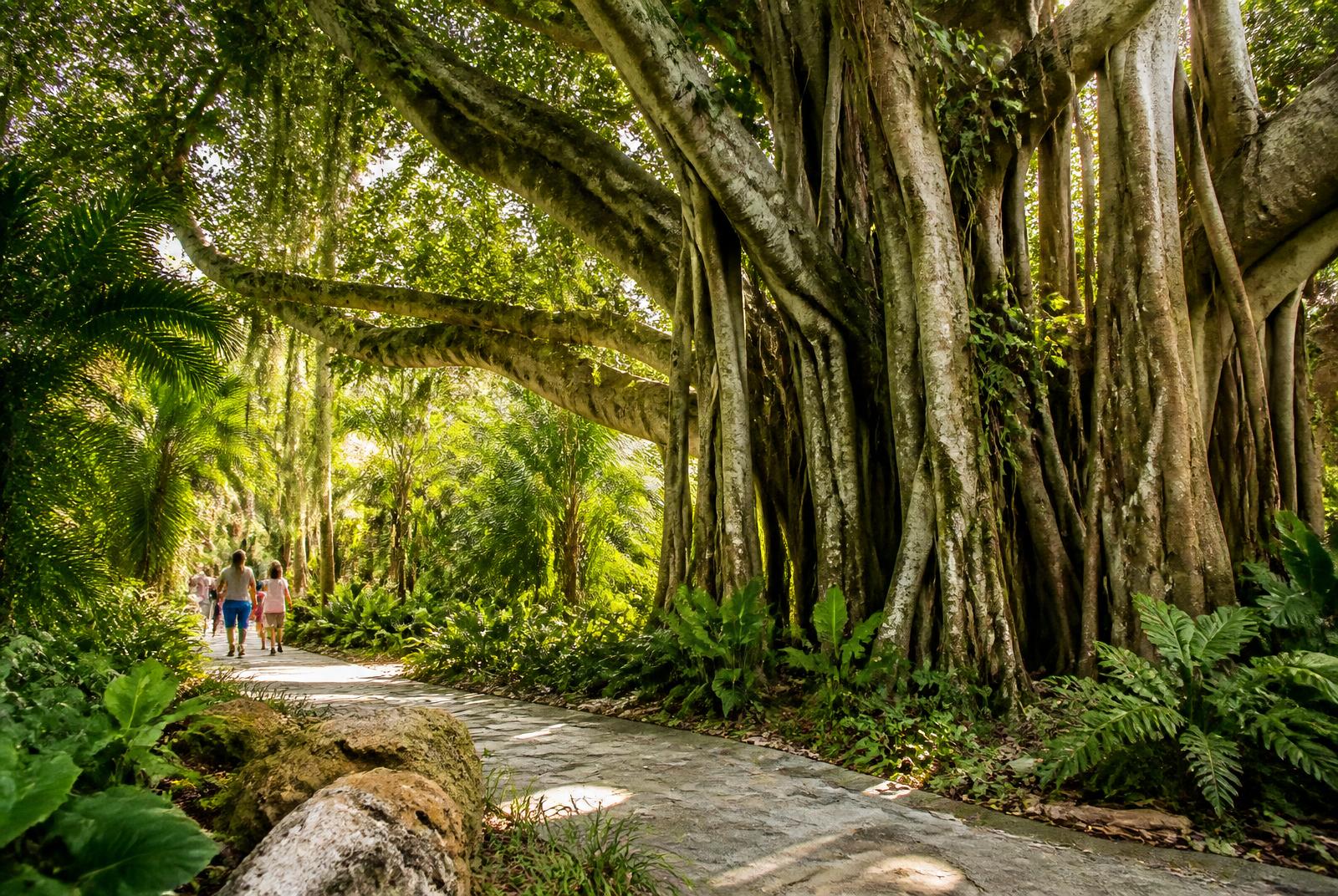
A shaded garden path under an immense banyan canopy in Pinecrest, Florida.
350+
Residents engaged through HaPPI
73%
Residents report being happy
2025
Designated at World Happiness Fest, March
9
Spheres guiding village strategy

10 Billion Free, Conscious & Happy by 2050 — beginning with the places people actually live.

The ecosystem family

A city is where every ecosystem meets.

The World Happiness Foundation works through five ecosystems of happiness. A city is the only place where all five share the same streets — which is why Cities of Happiness is where the work becomes visible.

Cities of Happiness

The municipality as the unit of flourishing: policy, measurement, belonging.

Schools of Happiness

Teachers and students supported before performance is asked of them.

Enterprises of Happiness

Workplaces where well-being is a leadership discipline, not a perk.

Hospitals of Happiness

Care systems that also care for the people who deliver care.

Destinations of Happiness

Places that host visitors without exhausting residents.

How it happened

The HaPPI story, step by step.

The Happy Pinecrest People Initiative is a short, honest sequence: ask, listen, publish, integrate, commit. Nothing here required a new bureaucracy — only the decision to treat well-being as measurable public business.

  1. March 2024

    HaPPI launches

    The Village of Pinecrest and the World Happiness Foundation open the Happy Pinecrest People Initiative.

  2. 2024

    The listening phase

    Workshops, focus groups, and surveys engage more than 350 residents across the village.

  3. 2024

    The findings

    73% of residents report being happy, with clear growth areas in mental health resources and community engagement.

  4. 2025

    Into the Strategic Plan

    Pinecrest adopts the Wheel of Happiness and Well-Being and adds a new Strategic Priority — Social Connectivity and Public Wellbeing — to its 2025–26 Strategic Plan.

  5. March 20–21, 2025

    The designation

    Mayor Joseph M. Corradino receives the City of Happiness designation at World Happiness Fest 2025, at Pinecrest Gardens, aligned with the International Day of Happiness.

The spectrum

From pain to flourishing.

Governments habitually measure the left side of this line and hope the right side follows. A City of Happiness measures the whole line, and then acts where the distance is greatest.

PainDistressCopingStabilityWell-beingFlourishingFundamental Peace

Pain that goes unnamed becomes policy by default.

Flourishing that gets measured becomes policy by choice.

Pinecrest's honesty

73% of residents reporting happiness is a real achievement — and it is also the reason the remaining pain is worth naming precisely, rather than averaging away.

What listening revealed

The seven domains of the Global Pain & Trauma Map.

HaPPI did not produce a scoreboard. It produced a map. Read honestly, Pinecrest's findings concentrate in two domains — mental health resources and community engagement — and that is where the village committed its new Strategic Priority.

01

Mental & emotional

Access to mental health resources emerged as a named growth area, not a footnote.

02

Social & relational

Community engagement — knowing and being known by neighbours — was the second growth area.

03

Physical

Everyday health and activity, held alongside the village's green, walkable character.

04

Economic

Security and cost pressures as they are actually experienced by households.

05

Ecological

Green space and environment: an asset in Pinecrest, and one to be protected as such.

06

Civic & institutional

Trust in local government, and the felt experience of being heard by it.

07

Spiritual & existential

Meaning, purpose, and belonging — the layer surveys most often skip.

The map's purpose is not diagnosis for its own sake. It is to make the next budget cycle answerable to something real.

Fundamental Peace is not the absence of pain… it is the transmutation of its energy into love and compassion.

Luis Miguel Gallardo

The crossmap

Shadow → Gift → Essence.

Each domain of pain carries a gift when it is faced, and an essence when the gift is lived. This is the movement a City of Happiness institutionalizes.

Mental & emotional
Silent distressAsking for help without shameSerenity
Shadow · Gift · EssenceSphere: Mind
Social & relational
Anonymity among neighboursInvitationBelonging
Shadow · Gift · EssenceSphere: Relationships
Physical
DepletionRhythm and restVitality
Shadow · Gift · EssenceSphere: Body
Economic
InsecurityCooperationSufficiency
Shadow · Gift · EssenceSphere: Prosperity
Ecological
Neglect of placeStewardshipRootedness
Shadow · Gift · EssenceSphere: Nature
Civic & institutional
Feeling unheardListening as a governing actTrust
Shadow · Gift · EssenceSphere: Community
Spiritual & existential
DriftPurposeMeaning
Shadow · Gift · EssenceSphere: Purpose

Pinecrest's governing framework

The Wheel of Happiness and Well-Being: nine spheres, adopted.

Pinecrest did not invent a local index. It adopted the Wheel of Happiness and Well-Being as its guiding framework — nine spheres that a municipality can actually plan, budget, and report against.

1

Body

Health, movement, rest, and the walkability of daily life.

2

Mind

Mental health resources, attention, learning, and emotional literacy.

3

Spirit

Meaning and inner life, held without imposing any doctrine.

4

Relationships

Family, friendship, and the ordinary bonds that carry a village.

5

Community

Engagement, participation, and being known by one's neighbours.

6

Work

Dignity and contribution, for employees and residents alike.

7

Prosperity

Security, sufficiency, and fair access to opportunity.

8

Nature

Green space, gardens, tree canopy, and environmental quality.

9

Purpose

The village's shared direction, and each resident's own.

Nine spheres, one strategic plan — the framework is the connective tissue, not a separate initiative.

The instrument

Pinecrest already has a profile.

The Ecosystems of Happiness Diagnostic measures a community across 54 KPIs, the 7 domains of the Global Pain & Trauma Map, the 9 spheres of the Wheel of Happiness and Well-Being, the Shadow → Gift → Essence framework, and the Fundamental Peace Index. Pinecrest's profile is already inside it — open it and read the village as the instrument sees it.

Guided assessment · No data is uploaded — results live in your browser until shared.

The operating model

Seven layers, now maturing.

What began as an initiative is becoming an operating model: the layers a city needs so that well-being survives a change of agenda.

The operating model 01

Leadership

An elected sponsor and a manager accountable for well-being outcomes.

The operating model 02

Framework

The Wheel of Happiness and Well-Being as the shared language across departments.

The operating model 03

Listening

Recurring resident engagement — surveys, focus groups, workshops — not a one-off.

The operating model 04

Programs

Interventions aimed at the named growth areas, starting with mental health resources.

The operating model 05

Convening

Public moments — from village events to World Happiness Fest — that make belonging visible.

The operating model 06

Measurement

Annual re-measurement so progress is reported, not assumed.

The operating model 07

Network

Learning exchanged with sister cities instead of hoarded.

The five pillars

Where the work lands.

Every layer of the model expresses itself through five pillars of municipal life.

Leadership

Council and management treat well-being as a governing responsibility, written into the strategic plan.

Schools of Happiness

Teachers supported first, so students are met by adults who are not depleted.

Enterprises of Happiness

Local employers invited into the same framework the village uses.

Community and belonging

Direct work on the growth area residents named: engagement and connection.

Observatory

Findings published, tracked, and returned to residents in plain language.

What Pinecrest proves

A small village changed what is possible for large ones.

Pinecrest matters far beyond Miami-Dade County, because it settles three questions that every city asks before it begins.

Governance by well-being is real

A council-manager government adopted the framework and wrote a Strategic Priority around it. This is administration, not aspiration.

It is measurable

350+ residents engaged; 73% reporting happiness; growth areas named precisely enough to act on.

It is replicable

Nothing in the sequence — listen, map, integrate, commit — depends on Pinecrest's size or budget.

It has a public moment

The designation was received by Mayor Joseph M. Corradino at World Happiness Fest 2025 at Pinecrest Gardens, aligned with the International Day of Happiness.

It is the launchpad

Pinecrest is the first node of the Cities of Happiness network, and the reference every later city can read.

What's next

Depth, not novelty.

The next chapter is not another launch. It is the discipline of returning to the same nine spheres, year after year.

Deepen the nine spheres

Move from adopted framework to department-level practice across every sphere.

Measure annually

Re-run the assessment so the village can see movement, not just a baseline.

Host the Fest

Continue convening World Happiness Fest moments in Pinecrest as a public act of belonging.

Mentor sister cities

Share the sequence, the instrument, and the honest mistakes with cities joining the network.

What success looks like

Signals a village can actually see.

Residents know where to turn for mental health support, and say so.

Community engagement rises in the next measurement, not just in intention.

Well-being appears in budget documents and department reports as a matter of routine.

Residents recognize the nine spheres as the village's language, not a consultant's.

Other cities arrive to learn — and Pinecrest has something honest to teach them.

For cities inspired by Pinecrest

Start the way Pinecrest started.

  1. 1

    Open the Diagnostic and read your city's baseline

    Run the instrument for your own community — 54 KPIs, seven domains, nine spheres. the Diagnostic

  2. 2

    Convene your leadership

    One elected sponsor, one manager, one written commitment.

  3. 3

    Listen at scale

    Surveys, focus groups, and workshops that reach residents beyond the usual voices.

  4. 4

    Write it into the plan

    A Strategic Priority, with an owner and a reporting rhythm.

Bring a City of Happiness to your community.

The World Happiness Foundation works with mayors, councils, and city managers to adapt this sequence to their own city — at their own pace, with their own people.

Write to the Foundation

Sources: Village of Pinecrest; World Happiness Foundation, Cities of Happiness Initiative (2024–2025).