
Urban transformation program
Designing cities where people flourish.
As urban areas grow, integrated well-being becomes urgent. Cities of Happiness is a new frontier: safe, inclusive, and sustainable urban communities designed to nurture people, empower organizations, and regenerate the planet.
What is it?
An urban transformation model driven by the WHF.
Cities of Happiness helps cities make well-being and happiness a measurable, systematic, and sustainable public policy.
"A city is not only connected by technology — it is connected by compassion."
Well-being, sustainability & culture
Improve well-being, sustainability, and culture in the city.
Citizen happiness & engagement
Promote citizen happiness, wellbeing, and civic engagement.
Broader social & environmental impact
Contribute to broader environmental and social impact initiatives.
Framework
People, cities & planet — the Wheel of Happiness.
Cities of Happiness uses the Wheel of Happiness to guide transformation across 9 dimensions, grounded in the SDGs and well-being science.
Proven models
Some of our Cities of Happiness
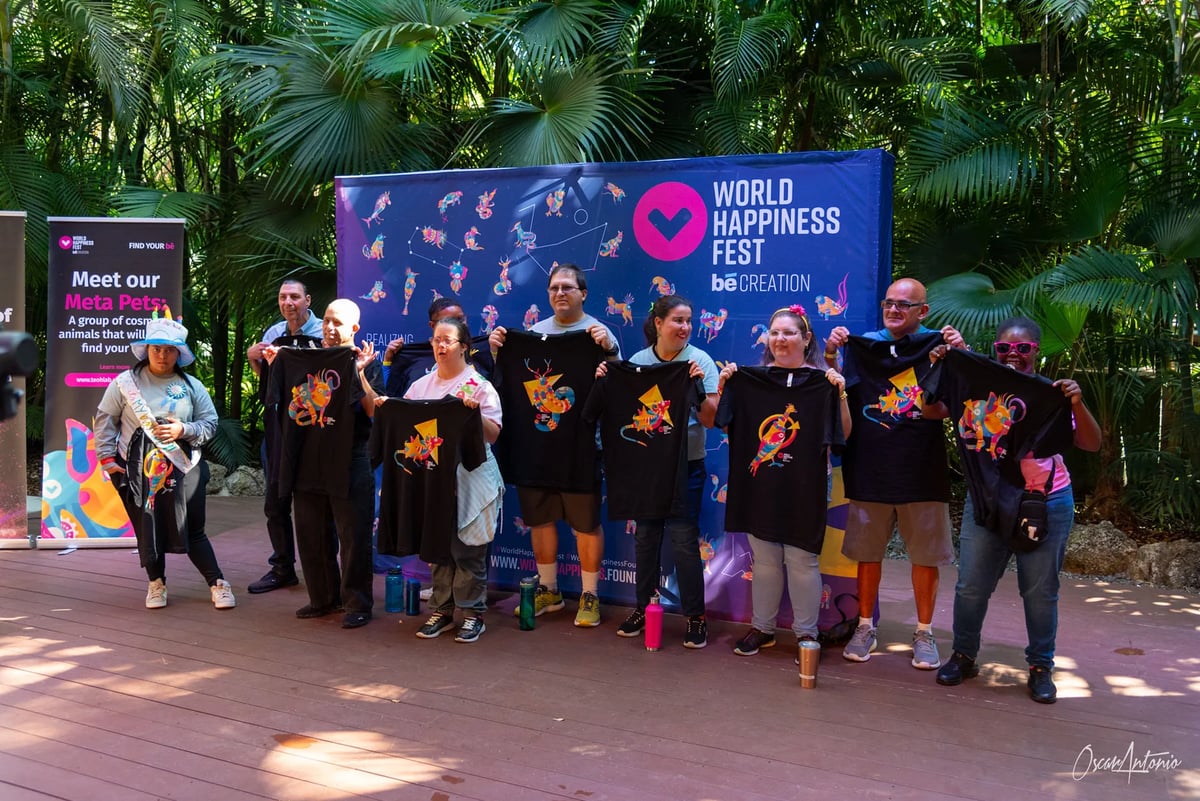
Pinecrest, Miami (USA)
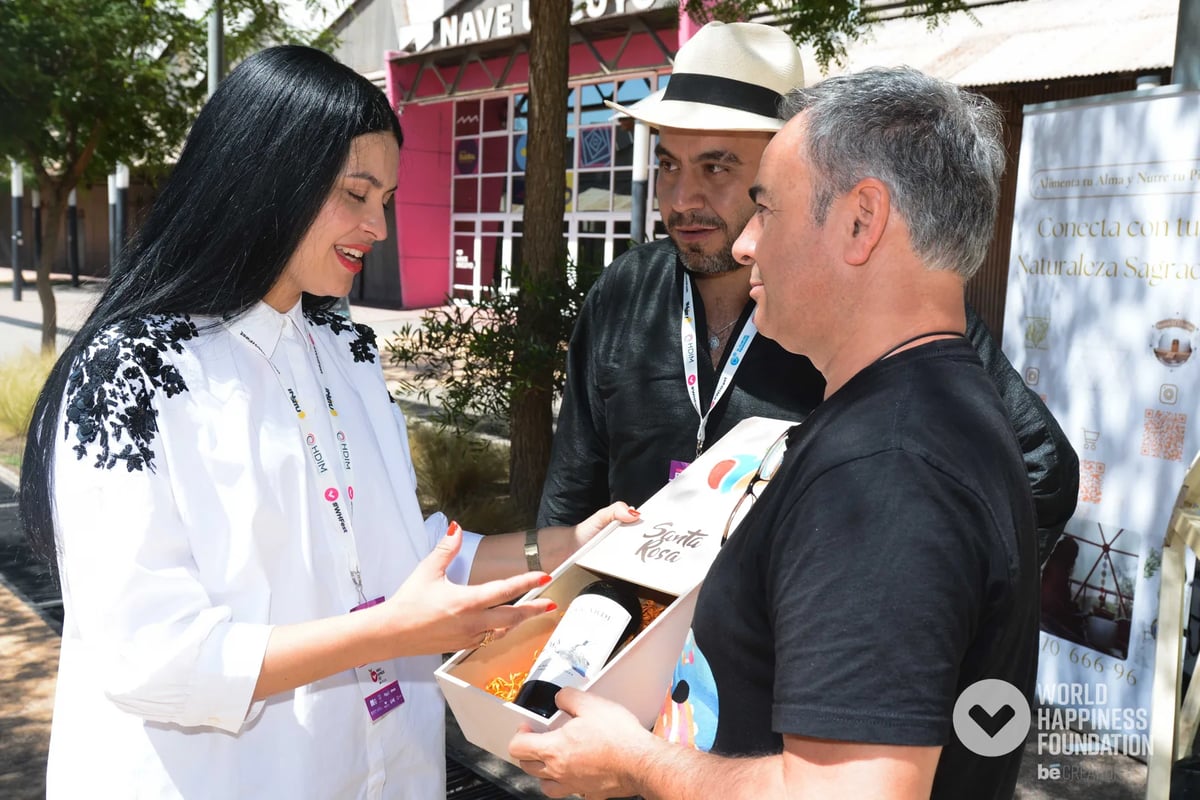
Granada (Spain)
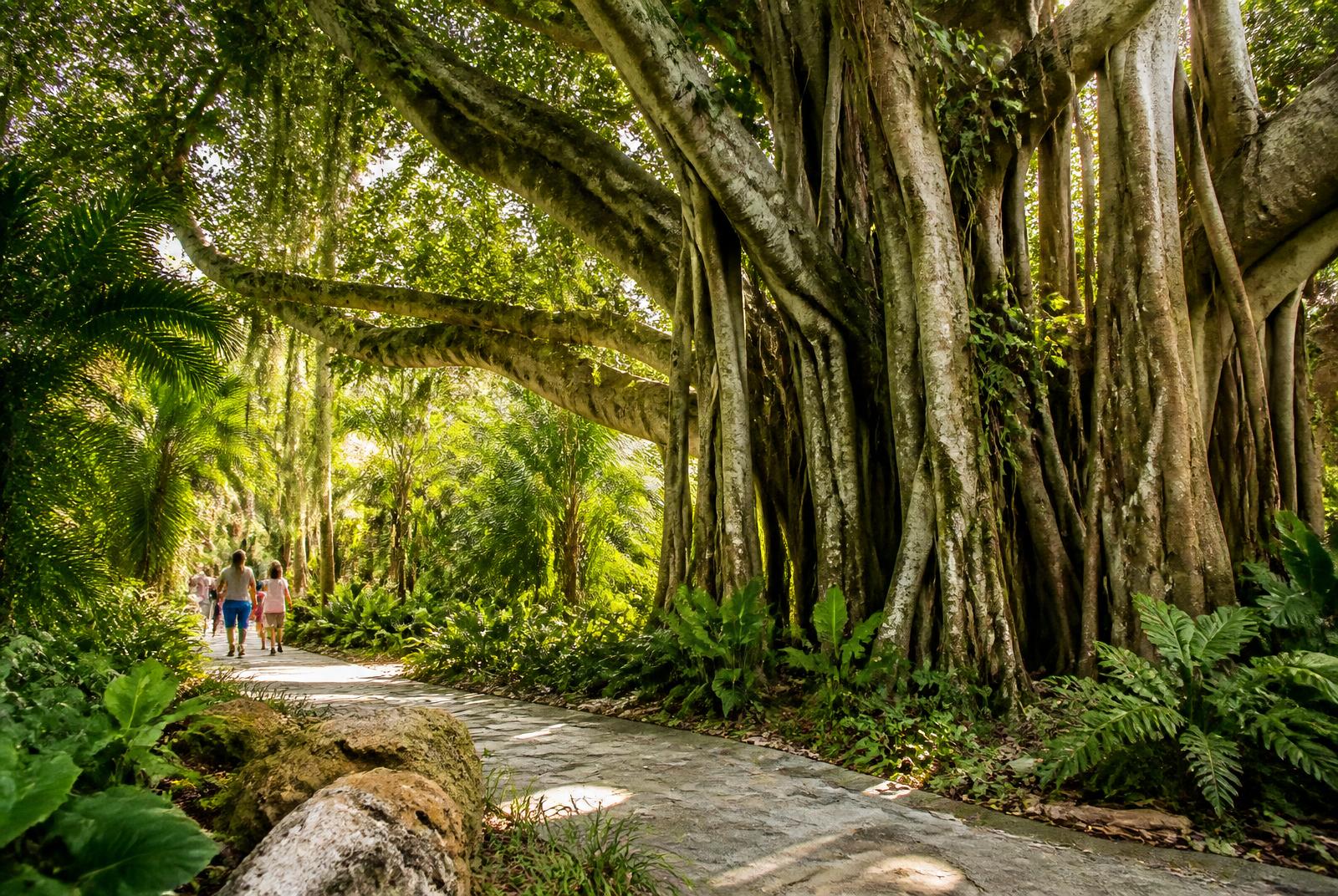
Mendoza (Argentina)
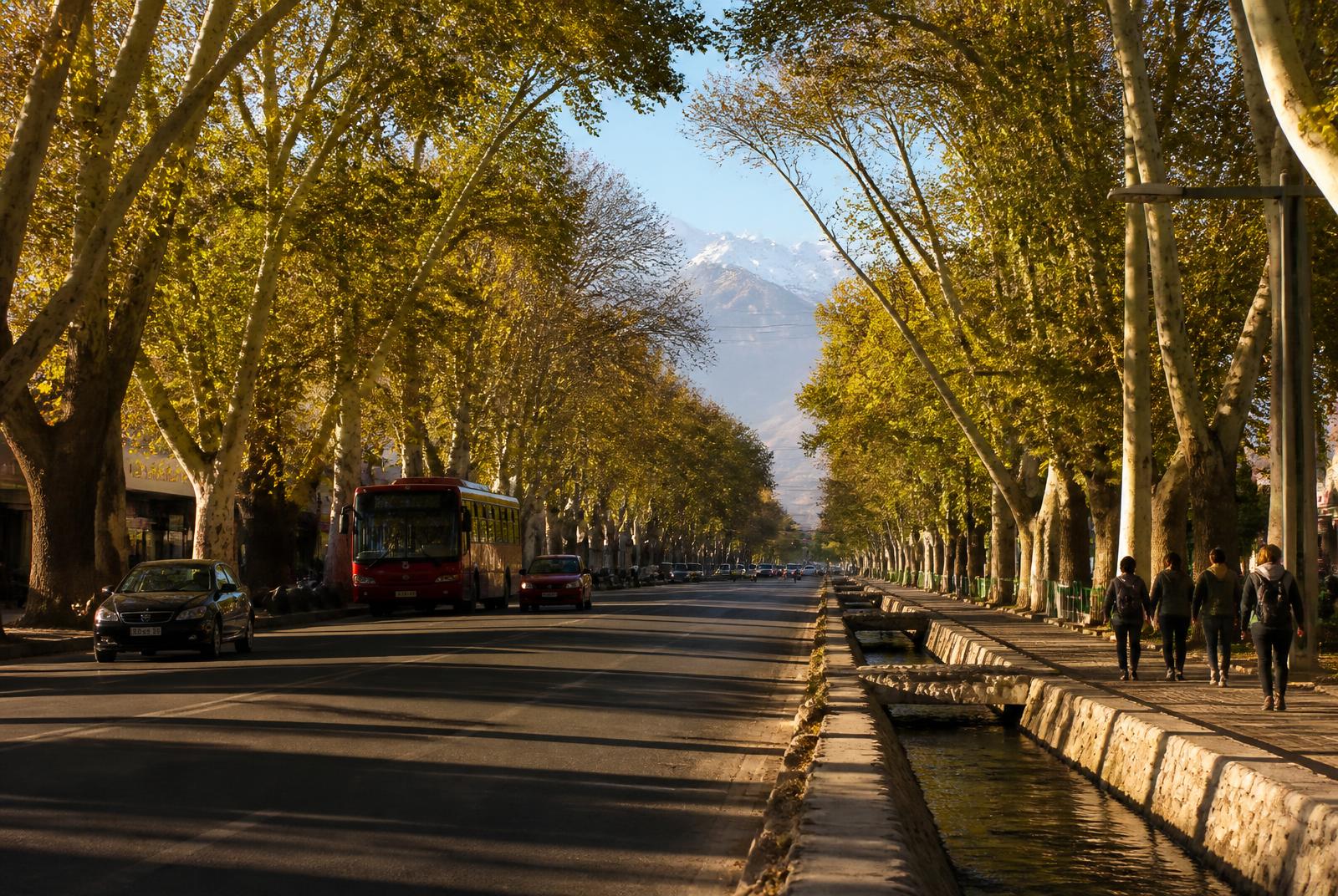
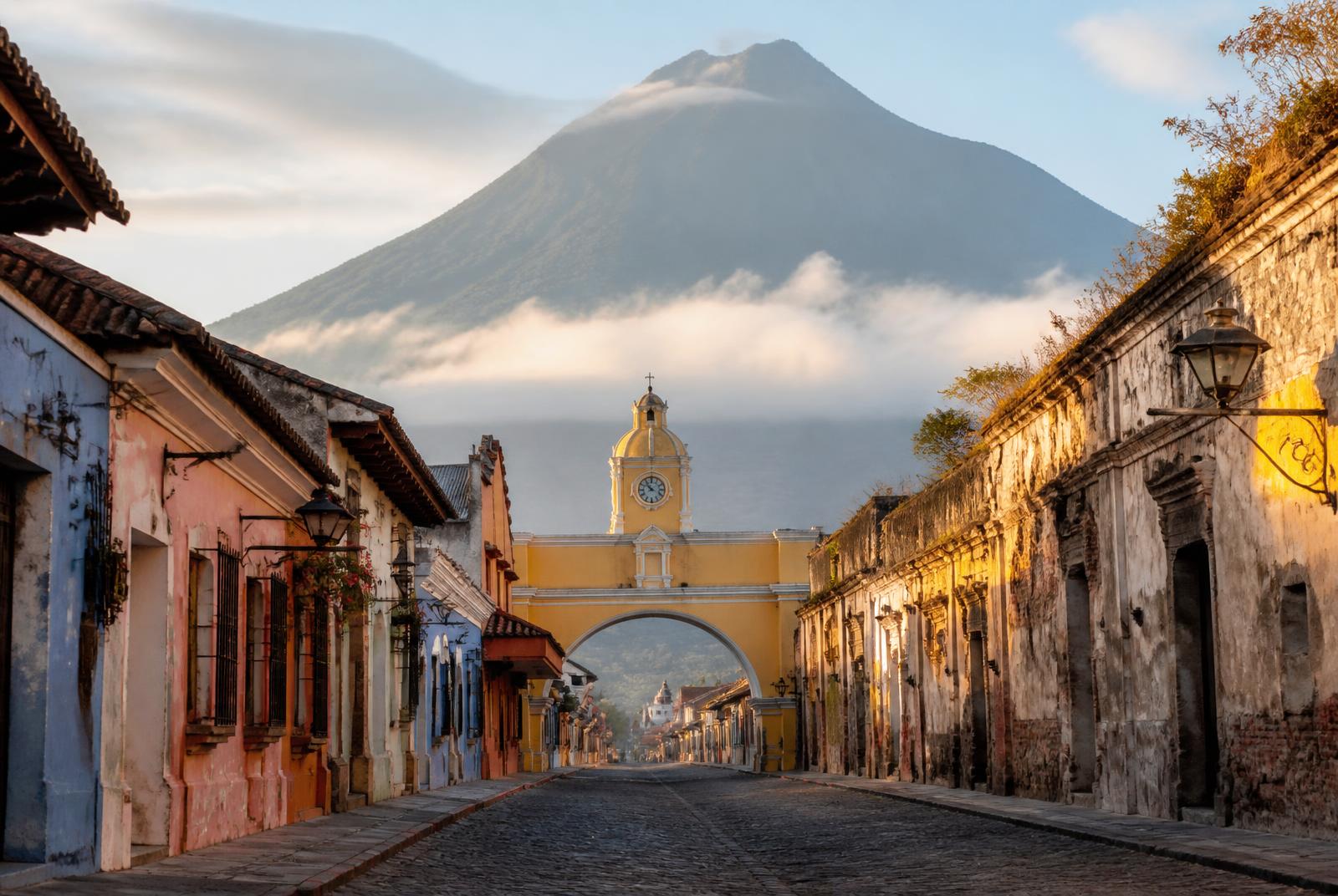
Antigua (Guatemala)
How it works
Join the movement in four steps
- 01
Diagnosis
Community-based happiness and well-being assessment. Evaluation of the environment. Focus groups gather key information.
- 02
Strategic plan
Co-creation of strategic plans with local governments and residents. Diagnostic report, customized program, self-sustainability strategies.
- 03
Implementation
Initiatives across the 9 dimensions with expert guidance. Ongoing training and a platform of tools for city leaders.
- 04
Measurement & Certification
Evaluation every 3–6 months against key indicators. Ongoing certification as a City of Happiness.
Why become a City of Happiness
Happier, healthier citizens
Cities that prioritize well-being experience lower stress levels and greater social cohesion (World Happiness Report).
Sustainable urban development
Conscious planning enables greener, more inclusive, resilient urban spaces — advancing SDG 3 and SDG 11.
Global network & recognition
Position your city as a pioneering model — and join a network of 10,000+ people in 450+ cities.